The Creek That Ran Through Downtown (And What It Taught Us About Fighting for Air)

Where Miller Creek Used to Run

Most people driving down Third Street don’t know they’re crossing what used to be Miller Creek. The asphalt doesn’t give any hints. But if you look at the 1952 city planning maps in the basement of City Hall, you can trace the blue line that wound through what’s now our downtown core, past where the community center sits, under the current location of Rosa’s Market.

The Creek That Ran Through Downtown (And What It Taught Us About Fighting for Air)

The creek got buried in 1967. Not filled in, not redirected. Buried. Concrete pipes underground now carry what’s left of the water flow, and the Department of Public Works still maintains access points every few blocks. That creek used to do more than look pretty though. It cooled the air in summer. The cottonwoods and willows along its banks cleaned particulates out of the atmosphere. When the asphalt went down, the temperature in that corridor jumped by an average of eight degrees.

That eight-degree difference isn’t just a number on a thermometer. It’s the difference between kids being able to play outside in July and staying trapped indoors. It’s the difference between elderly residents needing air conditioning they can’t afford and opening windows for a cross breeze that actually works.

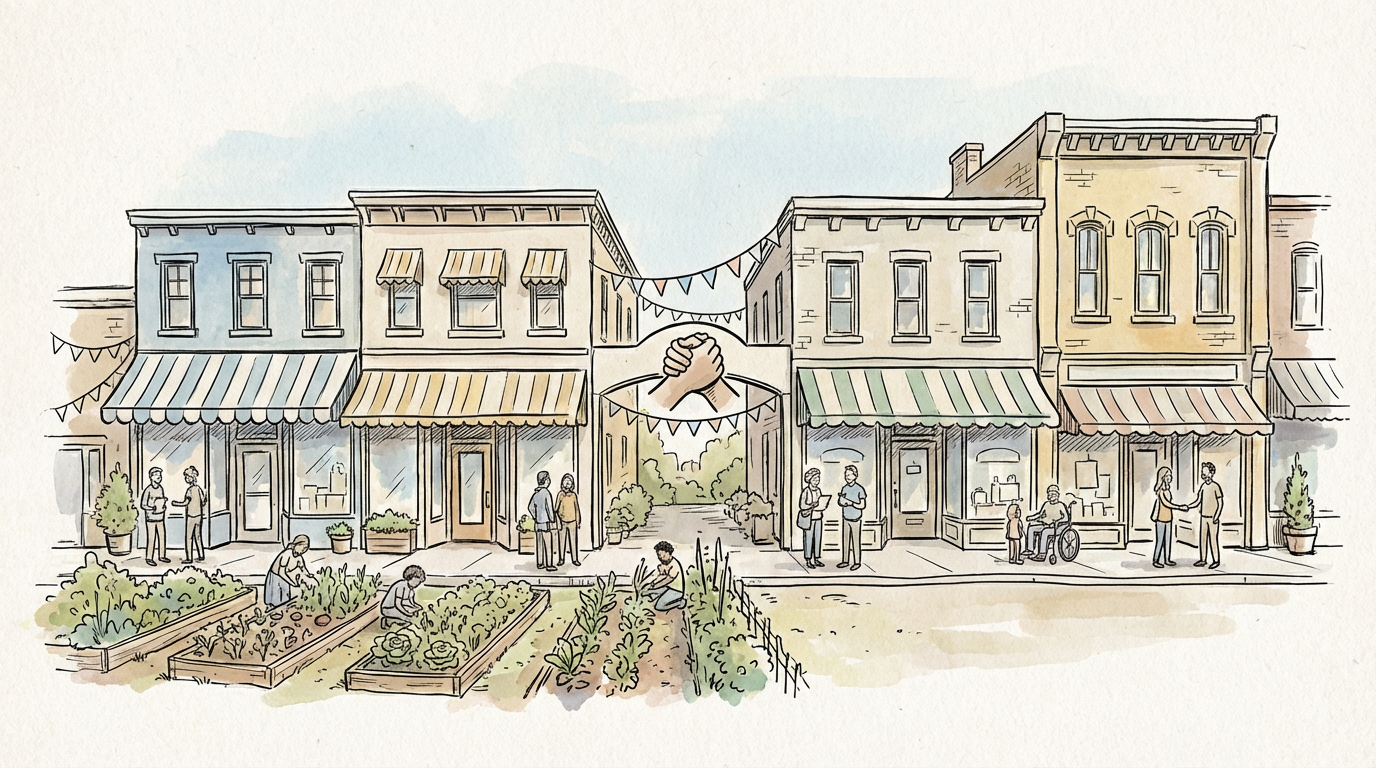
Illustration for The Creek That Ran Through Downtown (And What It Taught Us About Fighting for Air)

The Air We Breathe Now

Every month, Maria Santos walks the same route through the Riverside neighborhood with her particulate matter monitor. She’s not a scientist. She works at the credit union. But after her daughter started needing an inhaler, she got trained by the regional air quality district and now she takes readings that get reported to the state.

The numbers tell a story the city would rather not discuss. The PM2.5 levels along the old creek corridor consistently read 15% higher than areas just six blocks away. That’s not dramatic enough to trigger federal intervention, but it’s significant enough to mean more respiratory problems, more missed school days, more emergency room visits that families can’t afford.

The pattern isn’t random. Industrial facilities got permits to build in the “available” space where the creek used to flow. The warehouse district expanded. Truck routes got consolidated through neighborhoods that lost their natural air filtering system. Maria’s data shows something pretty obvious: when you remove trees and water and replace them with concrete and diesel exhaust, people’s lungs pay the price.

What Actually Works (And What We’re Already Doing)

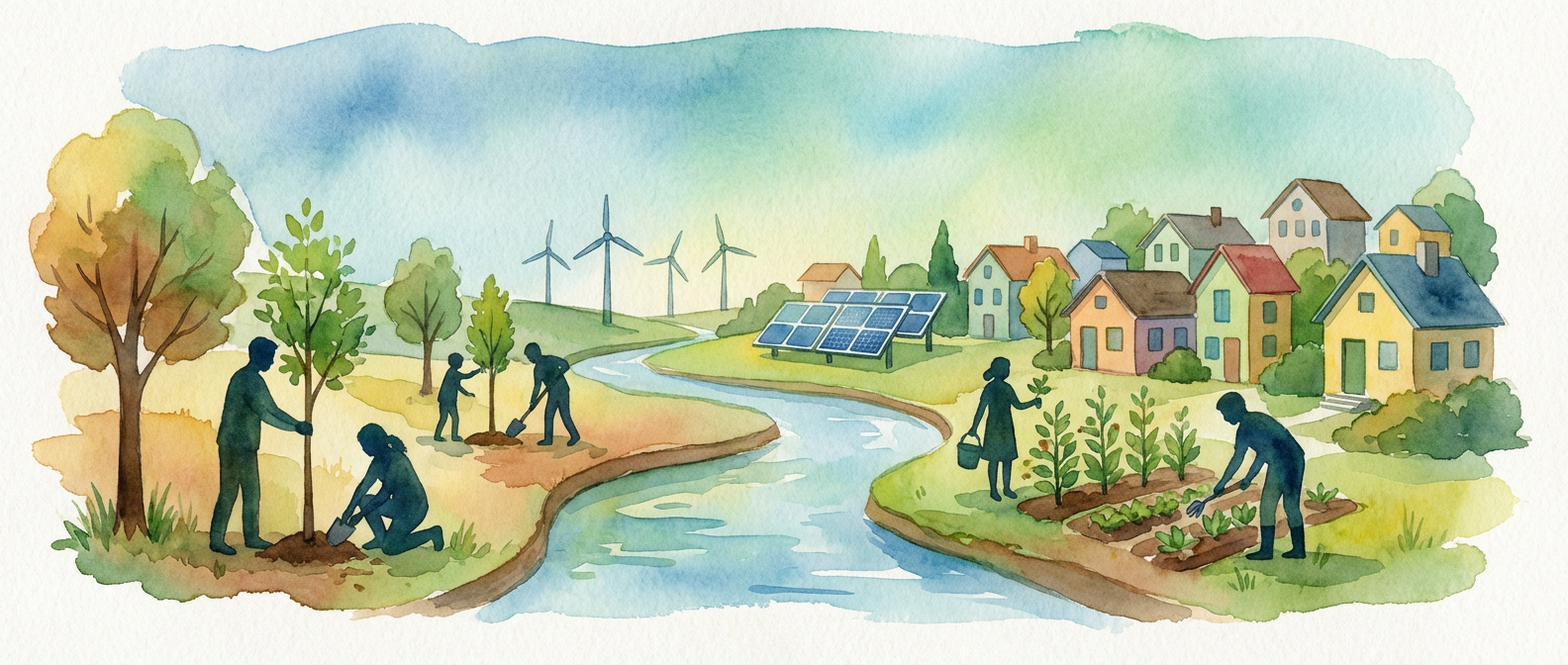
Here’s the thing about environmental justice work: the solutions often look smaller than the problems, but they add up. The Eastside Neighborhood Association figured this out three years ago when they started their block-by-block tree planting program. Not a grand restoration project with federal grants and ribbon cuttings. Just neighbors getting together on Saturdays to put native oaks and maples in every available spot.

They’ve planted 847 trees so far. The temperature readings on Maple Street dropped by three degrees last summer compared to 2021. Property values went up, but more importantly, kids started playing outside again. Mrs. Patterson on Oak Street says she sleeps with her windows open now instead of running the air conditioner all night.

The tree program works because it tackles the function Miller Creek used to handle: cooling air, filtering particles, creating spaces where people want to spend time. They’re not trying to bring back 1952. They’re building something better for 2024. The Eastside group shares their playbook with any neighborhood that asks. They’ve learned which species survive our clay soil, which spots the city will approve for planting, how to get free saplings from the county extension office.

Meanwhile, the Environmental Health Coalition convinced three businesses along the old creek route to switch from diesel delivery trucks to electric ones. It took eighteen months of meetings, presentations about tax incentives, and one very determined grandmother who showed up at every city council session with photos of her grandkid’s inhaler. Small changes, but they’re measurable. Maria’s air quality readings show the difference.

The Next Thing We Can Do

Next Tuesday, the Planning Commission reviews permits for a new logistics center on Industrial Boulevard. Right where Miller Creek used to curve north toward the old swimming hole. The company promises jobs, and we need jobs. But their environmental impact report glosses over air quality with regional averages instead of neighborhood-specific data.

This is where community memory becomes community power. The people who remember fishing in that creek, who know how much cooler it used to be on summer evenings, who understand that this isn’t just about nostalgia but about lung capacity and childhood asthma rates. They’re the ones who can speak up at public comment and ask the hard questions about truck routes and emission controls.

The Environmental Health Coalition put together a one-page fact sheet about what to ask for: electric vehicle charging stations for delivery trucks, green roof requirements that actually filter air, buffer zones with native plantings that can handle urban pollution. Not pie-in-the-sky demands, but specific standards that other cities have successfully implemented.

The meeting starts at 7 PM in Council Chambers. Public comment happens first. Three minutes per person. If twelve people show up with specific asks instead of general complaints, the commissioners have to respond on the record. If nobody shows up, the permit gets rubber-stamped and we get another diesel hub in a neighborhood that’s already carrying more than its share.

What We’re Building Back

Miller Creek isn’t coming back. The infrastructure changes would cost millions, displace dozens of businesses, require federal permits that take decades. But the functions that creek handled, those we can rebuild piece by piece, block by block, permit hearing by permit hearing.

The Eastside tree program is expanding to four more neighborhoods this spring. The air quality monitoring network now has volunteers in six different areas, creating a real-time map of where the problems are worst and where improvements actually work. The Environmental Health Coalition is launching a small business program to help local companies transition to cleaner delivery options.

This isn’t about returning to some imaginary golden age. It’s about learning from what worked, understanding what we lost, and building systems that help the people who live here now. Every tree planted, every electric truck that replaces a diesel one, every neighbor who learns to read air quality data and speaks up at city meetings. These aren’t compromises or half-measures. They’re how environmental justice actually happens: one concrete change at a time, in the places where people live and breathe and raise their kids.

If you want to know more about the tree planting program or get involved with air quality monitoring, the Environmental Health Coalition meets the first Thursday of every month at the community center. 6:30 PM, room B. Coffee and childcare provided. Because the best way to honor what we’ve lost is to build something better in its place.

How We Turned Empty Lots Into Pocket Parks: What Three Years of Block-by-Block Organizing Actually Taught Me

The Problem Was Real, But So Was the Solution

Three years ago, our neighborhood had seven empty lots that were unofficial dumping grounds and occasional drug deal locations. The city knew about them. We knew about them. Everyone just accepted them as “the way things are.” But here’s what I learned: the distance between accepting a problem and actually solving it isn’t as far as you think.

How We Turned Empty Lots Into Pocket Parks: What Three Years of Block-by-Block Organizing Actually Taught Me

The breakthrough came when my neighbor Maria started mapping where kids walked to school. She noticed they were crossing busy streets to avoid those lots. That’s when it clicked for me. We weren’t dealing with an abstract “blight” issue. We had a concrete safety problem with a concrete solution: turn those lots into small community spaces.

What followed was three years of the most educational organizing work I’ve ever done. We succeeded in converting five of the seven lots into pocket parks. Two are still in progress. More importantly, we built something that didn’t exist before: a network of neighbors who actually know how to get things done together.

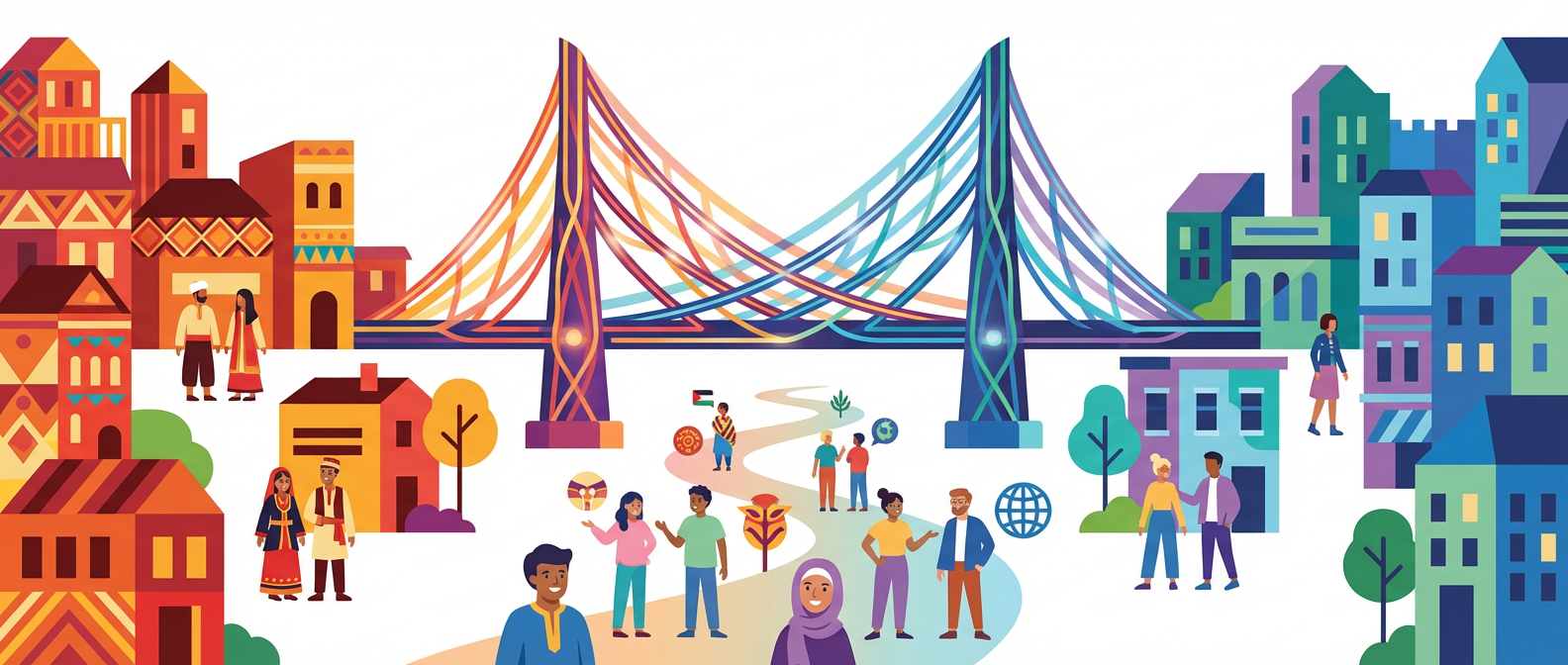
Illustration for How We Turned Empty Lots Into Pocket Parks: What Three Years of Block-by-Block Organizing Actually Taught Me

Start With What People Already Care About

Our first mistake was trying to rally people around “neighborhood beautification.” Nobody showed up to that meeting. Our second attempt focused on “creating safe routes to school.” Twelve parents came, and half of them stayed involved for months.

The lesson hit me hard: people organize around problems they’re already losing sleep over. Maria wasn’t thinking about property values or community development theory. She was thinking about her eight-year-old having to walk past broken glass every morning. When we started there, everything else became possible.

I learned to listen for the specific complaints people mentioned in casual conversation. “I hate that corner.” “My kid can’t play outside.” “The bus stop feels sketchy.” These weren’t abstract policy issues. They were daily frustrations that people would actually invest time to solve. Once we mapped those complaints onto specific locations, we had our starting points.

The organizing principle became simple: find what people are already motivated to change, then connect those individual concerns to collective action. Works every time.

Make the First Step Ridiculously Easy

We learned this the hard way after our initial “community cleanup day” attracted exactly three people. I had imagined dozens of neighbors with rakes and trash bags. Instead, I spent four hours picking up cigarette butts with Maria and one guy who felt bad for us.

So we tried a different approach. Instead of asking people to commit a whole Saturday, we started with “coffee walks.” Thirty minutes, Wednesday mornings, just walking around the neighborhood and talking about what we noticed. No agenda, no ask beyond showing up. People could handle that.

Those coffee walks became our foundation. People started bringing their friends. Conversations led to specific ideas. Ideas led to small actions like calling the city about a broken streetlight or organizing informal dinners. Small actions built trust. Trust made bigger projects possible.

The breakthrough moment came when someone suggested we should “do something about that lot on Pine Street.” By then, we had enough relationships that when I said “great idea, who wants to research what’s possible,” four people volunteered immediately. The infrastructure for action was already there.

Document Everything and Celebrate Small Wins

I cannot stress this enough: write things down and take pictures. Not because you’re planning to publish a case study, but because organizing work is full of tiny victories that people forget about when they’re frustrated with how long everything takes.

We created a simple shared document where anyone could add updates. “Called Parks Department, they said to try Public Works.” “Measured the lot, it’s actually bigger than we thought.” “Sarah’s cousin knows someone at the city who handles permits.” These small steps felt minor in the moment but added up to major progress over time.

The photos were even more important. We documented everything from initial lot conditions to our first community meeting to the day we broke ground. When people got discouraged about bureaucratic delays or funding challenges, we could show them concrete evidence of how far we’d come. Progress becomes visible when you document it.

We also learned to celebrate intermediate milestones. Getting our first permit approval called for pizza. Finding a local business willing to donate plants called for a block party. Completing our first pocket park called for a bigger block party with the mayor invited. People need to feel successful along the way, not just at the end.

Build Systems, Not Just Projects

The most important thing we accomplished wasn’t the pocket parks themselves. It was creating a reliable way for neighbors to identify problems and work together to solve them. Three years later, that system is still working.

We now have monthly “coffee walks” that rotate through different parts of the neighborhood. We have a group text where people share updates and asks for help. We have relationships with specific people at city departments who know us and respond to our calls. We have a small fund for community projects that gets replenished through neighborhood events.

Most importantly, we have a shared understanding of how change happens locally. New neighbors get oriented quickly because the systems are visible and accessible. When someone identifies a new problem, we don’t have to start from scratch. We already know how to research solutions, navigate city processes, and get people together for action.

The pocket parks project taught us that sustainable organizing isn’t about charismatic leaders or one-time campaigns. It’s about creating reliable ways for ordinary people to exercise collective power on issues they care about. Once you have that, everything else becomes possible.

Want to start something similar in your neighborhood? The next coffee walk is Wednesday at 8 AM, corner of Pine and Third. Come with questions, leave with plans. That’s how this works.

When the Creek Disappeared: What Eastside Lost and How We’re Getting It Back

The Day They Buried Silver Creek

Most people driving down Maple Street don’t know they’re crossing a creek. But Maria Santos remembers when you could see it. “My grandmother used to take me down there to catch crawdads,” she told me last month, standing at the corner where Maple meets Third. “The water was so clear you could see straight to the bottom.”

When the Creek Disappeared: What Eastside Lost and How We're Getting It Back
When the Creek Disappeared: What Eastside Lost and How We’re Getting It Back

That was before 1967, when the city decided Silver Creek was getting in the way of development. They buried it under concrete and asphalt, turning a natural drainage system into underground pipes. The official records call it “urban improvement.” But what really happened was the Eastside neighborhood lost its cooling system, its natural flood control, and a place where three generations of kids had learned to fish.

Now, every time it rains hard, basements flood on Third Street. The storm drains can’t handle what Silver Creek used to absorb. During heat waves, Maple Street hits temperatures ten degrees higher than neighborhoods that still have trees and water. That’s not coincidence. That’s what happens when you bury a creek.

More Than Pretty Views

Here’s what the city planning documents from the 1960s don’t tell you: Silver Creek wasn’t just scenery. It was infrastructure. The area along its banks filtered runoff before it hit the Clearwater River downstream. Those cottonwoods and willows weren’t decoration, they were the neighborhood’s air conditioning system. They cooled the air and provided shade that kept summer temperatures bearable.

When the creek disappeared, so did the habitat for native birds that controlled mosquito populations naturally. The city started spraying pesticides instead. The soil that used to hold floodwater got paved over, creating drainage problems that cost residents thousands in basement repairs each spring. What looked like progress on paper turned into expensive problems we’re still paying for today.

The environmental impact hit hardest in the Eastside because that’s where the creek used to flow, and that’s where the lowest-income families live. While the west side kept its tree-lined streets and natural drainage, Eastside residents got concrete, flooding, and summer heat that can reach dangerous levels for elderly neighbors and anyone without air conditioning.

Following the Underground

Last fall, I joined a group of neighbors who wanted to trace Silver Creek’s original path. Armed with old survey maps from the county office and a lot of persistence, we walked the route the water used to take. You can still see the depression in Riverside Park where the creek entered the neighborhood. The slight dip in the terrain along Fourth Street shows where the banks used to be.

At the community garden behind the library, we found something unexpected: a soggy patch that won’t grow vegetables, no matter what residents try. Silver Creek’s underground flow still follows its original course. The water table sits just three feet down, creating perfect conditions for native wetland plants but impossible conditions for tomatoes.

These aren’t just interesting historical footnotes. They’re clues for solutions. The water is still there, still trying to follow its natural path. We just need to work with it instead of against it.

What Daylight Looks Like

Creek daylighting sounds complicated, but it’s happening in cities across the country. Yonkers uncovered the Saw Mill River. Berkeley brought Strawberry Creek back to the surface. Seoul removed a highway to restore the Cheonggyecheon. It’s not magic, it’s engineering that works with nature instead of burying it.

For Silver Creek, daylighting could start small. The city owns the parking lot at Third and Maple, right where the old creek bed ran deepest. Instead of asphalt, imagine a planted area that captures stormwater, reduces flooding, and creates habitat. Native plants that don’t need irrigation. A walking path connecting the library to Riverside Park. Space for kids to learn about water cycles instead of just reading about them.

The engineering study the neighborhood association commissioned last year shows it’s feasible. More than feasible, it would save the city money on flood mitigation and storm drain maintenance. The preliminary cost estimate is less than what the city spends annually on flooding damage and emergency response in the Eastside.

But here’s what the study can’t quantify: the value of a place where neighbors meet while walking, where kids can see how natural systems work, where the temperature drops ten degrees on summer afternoons. That’s infrastructure too, the kind that builds community resilience along with environmental health.

Starting Where We Are

You don’t need to wait for a major daylighting project to start reclaiming what the neighborhood lost. The rain garden at Eastside Elementary has already reduced flooding in the school parking lot while teaching fourth-graders about watershed protection. The native plant sale last spring raised funds for street tree planting and got drought-resistant plants into front yards that used to depend on sprinklers.

Small changes add up to system changes. When enough residents replace water-hungry lawns with native plants, the whole neighborhood’s climate shifts. When enough streets have trees, summer temperatures drop. When enough yards capture rainwater instead of sending it into storm drains, flooding decreases.

The city council’s environmental justice resolution, passed in March, acknowledges that infrastructure decisions affect some neighborhoods more than others. It commits the city to prioritizing environmental improvements in areas that have carried the biggest burdens from past planning choices. That’s policy language for: Eastside goes first.

The next community meeting about Silver Creek restoration is Tuesday, October 15th, at the library. We’ll be reviewing the latest engineering reports and discussing next steps for the planted demonstration project. Come if you’re curious about how buried infrastructure affects your daily life, or if you want to help turn a parking lot into something that actually helps the neighborhood. Bring your questions and your ideas. This is how change starts: with neighbors who decide not to accept that flooding and heat waves are just the way things are.

The Tuesday Morning Decisions That Changed Maria’s Commute Forever

When Your Bus Route Disappears on Page 47

Maria Santos discovered her daily bus route was getting axed while scrolling through her phone at 6 AM, coffee still brewing. The news wasn’t in a press release or splashed across the front page. It was buried in agenda item 12-C of last Tuesday’s city council meeting, somewhere between approving new crosswalk striping and discussing noise ordinances for food trucks.

This is how local government actually works. The decisions that reshape your morning routine, determine whether your kids can walk safely to school, or decide if that pothole on your street gets fixed happen in rooms that seat maybe fifty people on a good day. Most of the time, there are twelve.

The Zoning Vote That Built Your Neighbor’s Fence

Three months ago, the planning commission approved a variance that let developers build townhomes eighteen inches closer to the property line than usual. It seemed minor. The developer needed extra space for stormwater management, they said. The commission voted 4-2 after a fifteen-minute discussion.

Today, six families on Maple Street are dealing with bedroom windows that face directly into their neighbors’ kitchen windows. Privacy that existed for thirty years vanished because of measurements most people never think about. Sarah Chen, who bought her house two years ago specifically for the large side yard where her toddler plays, now watches him through a chain-link fence that sits where her garden used to grow.

That eighteen-inch decision affected real families in ways the planning commission didn’t consider. Or maybe they did consider it, but weighed it against stormwater flooding concerns and tax revenue projections that also affect real people.

The Budget Line That Fixed Everything Except What Broke

The city allocated $2.3 million for infrastructure repairs this year. Sounds generous until you realize the engineering department identified $8.7 million worth of urgent repairs. The council had to choose which neighborhoods get functional streetlights and which ones keep dealing with intersections where you can’t see oncoming traffic after dark.

They picked based on a scoring system that weighs traffic volume, accident reports, and something called “economic development potential.” The Riverside neighborhood scored highest. Their streetlights got fixed in October. The Hillcrest area, where mostly families with school-age kids live, scored lower. They’re still waiting, and winter’s coming.

Council member Janet Rodriguez cast the deciding vote for the Riverside project. She cited safety statistics and noted that fixing high-traffic areas helps more people overall. Council member Mike Torres disagreed, arguing that residential areas with children should take priority. Both had compelling arguments. Both were thinking about real safety concerns. Someone had to lose.

The Permit Process That Nearly Killed Taco Tuesday

The new food truck regulations almost ended Roberto’s Tacos weekly stop at Central Park. The council wanted to address complaints about long lines blocking sidewalks and trash left behind after busy lunch crowds. Their solution: require food trucks to hire private security guards and submit weekly cleanup plans.

Roberto calculated the extra costs would eliminate his profit margin for small neighborhood stops. He could afford the requirements for downtown events or festivals, but not for serving thirty people on Tuesday afternoons. The math was simple: no more neighborhood service.

Then something interesting happened. People showed up to the next council meeting. Not activists or business owners, but neighbors who wanted their weekly tacos. Twelve people spoke during public comment, including elderly residents who rely on Roberto’s accessible pricing and families who treat Taco Tuesday as a neighborhood tradition.

The council revised the regulations, scaling requirements based on event size and location. Roberto still stops by Central Park. The compromise isn’t perfect, but it keeps both the neighborhood tradition and addresses the legitimate concerns about sidewalk access and cleanliness.

The Meetings Where Your Voice Actually Counts

Every decision I just described happened in public meetings where residents could speak. Most of these meetings have more empty chairs than full ones. The planning commission that approved that eighteen-inch variance? Four residents attended. The budget session that chose which streetlights to fix? Seven people in the audience, including two city employees and a journalist.

Your input doesn’t require expertise or political connections. It requires showing up and speaking clearly about how decisions affect your daily life. Council members hear from developers, business associations, and advocacy groups regularly. They hear from neighbors who just want safe intersections and reliable bus routes much less often.

The council meets the first and third Tuesday of every month at 7 PM in city hall. Planning commission meets the second Thursday at 6 PM. Agendas get posted online Friday before each meeting. Each agenda item includes background documents that explain what’s being decided and why.

These aren’t mysterious processes designed to exclude people. They’re structured systems that need regular people to participate in order to work well. The people making decisions want to make good ones. They need information only you have about how their choices affect real life in real neighborhoods.

Next Tuesday, they’re deciding whether to approve speed bumps on residential streets near the elementary school. They’re also voting on next year’s park maintenance budget and discussing noise limits for construction projects. Someone’s daily life hangs in the balance of each agenda item.

Your Neighborhood Environmental Justice Toolkit: Where to Start When the Air Doesn’t Feel Fair

Know Your Numbers (And Where They Come From)

Before you can fix what’s broken, you need to see it clearly. Start with your state’s environmental justice screening tool. Most states have them now, though they go by different names. California’s CalEnviroScreen, New Jersey’s EJST, and similar tools let you plug in your address and see how your neighborhood stacks up on pollution, health outcomes, and socioeconomic factors.

Your Neighborhood Environmental Justice Toolkit: Where to Start When the Air Doesn't Feel Fair
Your Neighborhood Environmental Justice Toolkit: Where to Start When the Air Doesn’t Feel Fair

These aren’t perfect systems. They miss plenty, especially newer pollution sources and the lived experience of residents. But they give you baseline data that’s harder for officials to dismiss. Screenshot those maps. Print the reports. When you show up to city council with actual numbers about particulate matter levels near the elementary school, people listen differently.

Your local air quality management district also publishes monitoring data, usually updated daily. Sign up for their alerts. Follow their social media. These agencies often have community liaison programs that most people don’t know about, and those liaisons actually want to help connect residents with resources.

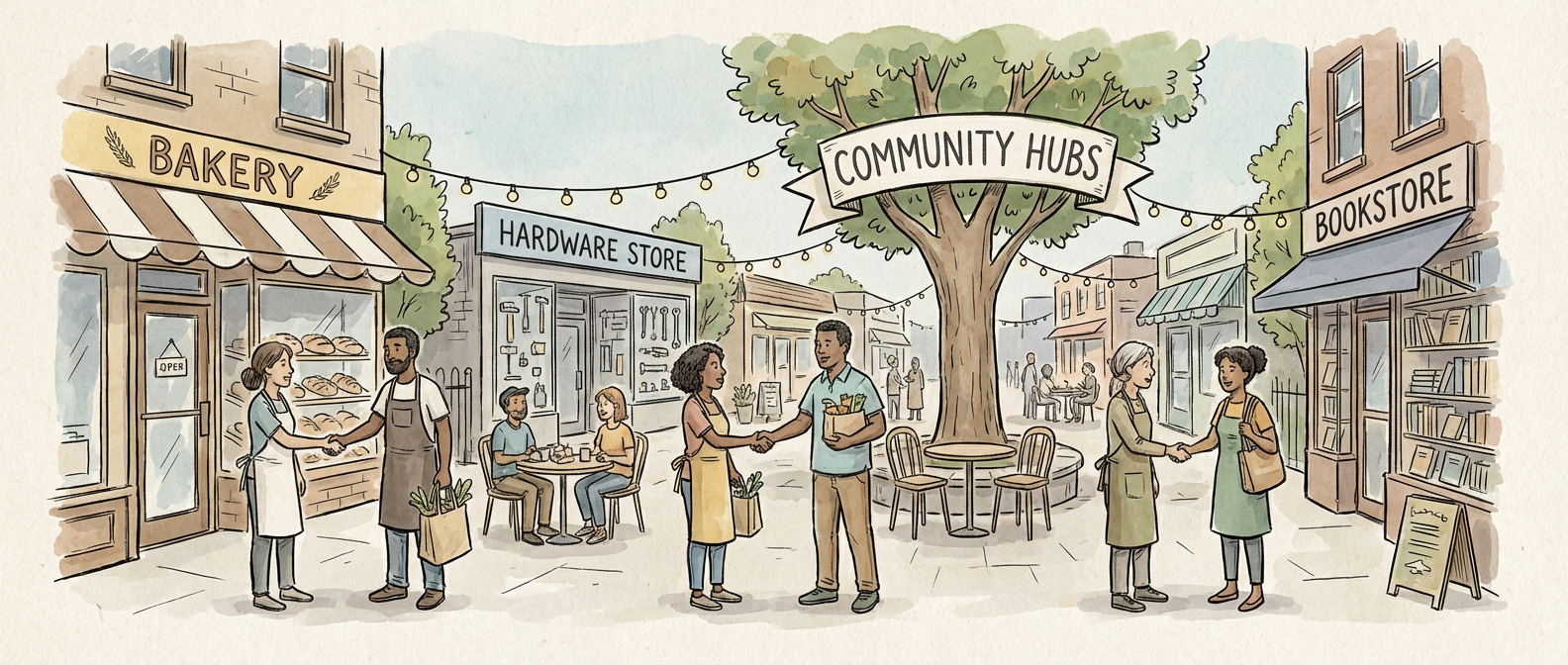
Illustration for Your Neighborhood Environmental Justice Toolkit: Where to Start When the Air Doesn't Feel Fair
Illustration for Your Neighborhood Environmental Justice Toolkit: Where to Start When the Air Doesn’t Feel Fair

The Real Decision Makers (Hint: It’s Not Always Who You Think)

City council gets a lot of attention, but environmental justice often plays out at other levels. Your county health department investigates complaints about everything from illegal dumping to industrial odors. They have enforcement power that cities often lack. State environmental agencies handle major permits and can override local decisions.

Regional planning councils make zoning decisions that determine whether heavy industry gets built next to schools. Port authorities control shipping and freight routes. Even your local transit agency influences air quality through bus routes and electrification plans. Each has different meeting schedules, comment periods, and ways to influence decisions.

The trick is figuring out which agency actually has jurisdiction over your specific concern. Call the main number and ask. Most government workers genuinely want to direct you to the right place, even if the system is confusing. Keep notes about who you talked to and what they told you. You’ll need that information later.

Building Power That Actually Moves Mountains

Individual complaints get filed away. Groups of neighbors asking the same questions get meetings. Organizations with lawyers get results. You don’t need to become a professional activist, but you do need to connect with others facing similar issues.

Start hyper-local. That Facebook neighborhood group where people complain about potholes? Post about the diesel truck traffic that wakes everyone up at 5 AM. NextDoor works too, though you’ll get some weird responses. The parents at school pickup often know exactly which industrial facility is causing problems, even if they’ve never thought about it as environmental justice.

Look for existing environmental justice groups in your region. Many operate with tiny budgets but deep knowledge about which tactics work with local officials. They can walk you through public comment procedures, help you understand permit processes, and connect you with other neighborhoods facing similar challenges. Don’t assume you have to start from scratch.

Faith communities, union halls, and community centers often host these groups or know how to reach them. Librarians are surprisingly good at connecting people to local advocacy organizations. The reference desk is an underused resource for civic engagement.

Quick Wins That Build Toward Bigger Changes

While you’re working on the long-term stuff, grab some immediate improvements that make daily life better and show officials you’re serious. Request more frequent street sweeping in areas with heavy truck traffic. Ask for more trash cans in dumping hotspots. Push for better bus stop shelters near busy intersections where people are breathing exhaust while they wait.

Tree planting gets attention because everyone likes trees, but be strategic about it. Trees near busy roads need to be the right species to actually filter pollution rather than just looking nice. Your municipal arborist can recommend varieties that handle urban stress and provide maximum air quality benefits. Many cities have free tree programs if you know how to ask.

School zones offer opportunities for quick policy changes that protect kids and demonstrate broader principles. Speed bumps, better crosswalks, and no-idling zones around schools are easier sells than major industrial permitting changes. But they establish precedent for putting health concerns first.

Document everything with photos and dates. Officials respond better to specific complaints with evidence than general grievances. That pile of construction debris that’s been sitting there for months becomes more actionable when you have photos showing it’s grown larger over time.

When You Hit Walls (And You Will)

Government moves slowly, especially when money is involved. Companies have lawyers and lobbyists. Sometimes the person you need to convince hasn’t returned calls in three weeks. This is normal, not a sign that you’re doing something wrong.

Build relationships before you need them. Introduce yourself to city council members at community events when you’re not asking for anything specific. Follow local journalists who cover environmental issues and share their stories on social media. Attend planning commission meetings even when nothing on your block is being discussed, just to understand how decisions get made.

Learn the budget cycle. Most cities do annual budget planning in spring and early summer, which is when you want to be requesting funding for air monitors or code enforcement positions. Asking for money in December usually means waiting until next year.

Sometimes the answer really is no, at least for now. When that happens, document why you were told no and who made that decision. Political landscapes change, and today’s impossible request becomes next year’s priority when new people get elected or public pressure builds.

The best advocacy happens when you understand both the problem and the systems designed to address it. None of this is as complicated as it seems from the outside, but it does take time to figure out how the pieces fit together. Start with one specific issue that affects your daily life, and use that as your entry point into the larger work. The trees we planted last month are already growing. The city council meeting next Tuesday has three environmental items on the agenda. Your neighborhood’s air quality data gets updated every Wednesday. Pick one thing and start there.

How Three Coffee Shop Conversations Became Our Town’s Best Block Party

The Problem That Started Everything

Last March, Sarah mentioned something over her usual Tuesday morning latte that stuck with me. “I’ve lived on Maple Street for eight years,” she said, stirring her drink slowly. “I know maybe three neighbors by name.” This wasn’t unusual. Our downtown had that friendly-but-distant vibe where people wave from their porches but rarely cross property lines.

The timing was perfect, though. City council had just approved a pilot program for neighborhood block parties, complete with street closure permits and a small grant fund. I’d been following the budget discussions for months, watching this item get shuffled between committees. Now it was real money sitting there, waiting for someone to actually use it.

Sarah’s comment hit on something I’d been thinking about since reading those council minutes. We had the framework. We had modest funding. What we needed was someone willing to do the actual organizing work. Three coffee conversations later, we had our answer.

Building the Core Team Without Burning Anyone Out

The secret to volunteer coordination isn’t finding people with tons of free time. It’s finding people who care about the outcome and then making their contribution sustainable. I started with my usual approach: one specific ask, clear boundaries, and an easy exit strategy.

Marcus from the hardware store agreed to handle permits and city paperwork. That’s it. Nothing else. Maria, who runs the community garden, took on vendor coordination for local food trucks and craft booths. Again, just that one piece. Jenny, fresh from organizing her daughter’s school fundraiser, volunteered for logistics and day-of coordination.

This narrow focus worked because nobody felt overwhelmed by the entire project scope. Each person could succeed completely in their area without needing to understand every moving part. We met twice before the event, kept meetings to 45 minutes maximum, and used a shared document for updates between meetings.

The fourth conversation happened naturally when Tom from the coffee shop offered to sponsor drinks and provide electrical hookups. Sometimes the best volunteers find you when they see momentum building around something worthwhile.

Navigating City Requirements Without Going Crazy

Municipal event permits sound scarier than they actually are, but they do require attention to detail. Marcus discovered that our street closure application needed three different signatures, including one from the fire department. The insurance requirement was automatically covered under the city’s umbrella policy for approved community events, but only if we filed the paperwork at least 30 days in advance.

The grant application itself was straightforward. Two pages, requesting $800 for basic infrastructure: table rentals, portable restrooms, and liability coverage for vendors. The key was being specific about outcomes. Instead of vague language about “bringing the community together,” we wrote about creating regular opportunities for neighbors to connect and supporting local small businesses through increased foot traffic.

Marcus spent maybe four hours total on permits over three weeks. Not bad for something that felt impossibly bureaucratic at first glance. His biggest tip: call the city clerk’s office with questions instead of trying to decode everything from the website. Real humans give much clearer answers than PDF instructions.

What Actually Happened on Event Day

September 15th arrived with perfect weather and exactly the right amount of controlled chaos. We closed Maple Street from Oak to Pine, creating a two-block pedestrian zone that immediately felt different from the usual neighborhood rhythm. Kids appeared with sidewalk chalk. Adults lingered with coffee cups instead of rushing to cars.

Maria’s vendor coordination paid off beautifully. Three food trucks positioned at different points created natural gathering spaces without crowding. Local artists set up displays that gave people conversation starters. The community garden booth actually signed up twelve new volunteers, which nobody had expected but everyone appreciated.

Jenny’s logistics planning showed its value when the afternoon thunderstorm hit. She’d mapped out shelter locations in advance and coordinated with nearby businesses to open their doors. Instead of ending the event, the rain break became an impromptu indoor networking session that probably created more connections than the outdoor activities.

By 6 PM, when we officially wrapped up, something had shifted on Maple Street. People were exchanging contact information, making plans for regular walking groups, and talking about doing this again next year. Sarah, who’d started this whole conversation over coffee, spent the afternoon introducing neighbors to each other by name.

The Follow-Through That Made It Stick

Events create energy, but follow-through creates lasting change. Two weeks after the block party, I sent a simple survey to everyone who’d given us their email address. The responses were encouraging: 78% of people had talked with at least one new neighbor since the event, and 45% wanted to help organize next year’s gathering.

More importantly, the connections kept building organically. Marcus started an informal tool-sharing network through his store. Maria’s walking group now meets every Thursday evening. Jenny organized a winter potluck that drew 40 people to the community center.

The city council noticed too. At October’s meeting, they voted to expand the block party pilot program citywide and increase the grant fund for next year. Sometimes good organizing creates policy momentum without directly advocating for anything.

This whole project took about 25 hours of volunteer time spread across four people over five months. The total cost was $743, including the city grant and Tom’s in-kind coffee sponsorship. Most importantly, it created a template that other neighborhoods can adapt without starting from scratch.

If you’ve been thinking about organizing something in your community, start with coffee conversations. Listen for the problems people mention casually, then connect those problems to existing resources and opportunities. The infrastructure for community building already exists in most places. It just needs someone willing to put the pieces together and ask their neighbors to help.

The Real Map of Your Neighborhood: Finding Mutual Aid When You Need It Most

Start With What’s Already There

Your neighborhood probably has more mutual aid happening than you realize. That community garden three blocks over? It’s not just about tomatoes. The “little free library” on Elm Street often has diapers alongside chapter books. The mosque that opens its doors during heat waves, the church basement that becomes a warming center, the community center that quietly hands out groceries every Thursday.

The Real Map of Your Neighborhood: Finding Mutual Aid When You Need It Most

These aren’t accidents. They’re part of networks that have been building for years, often without much fanfare. The challenge isn’t that mutual aid doesn’t exist. The problem is information lives scattered everywhere: Facebook groups you haven’t joined yet, flyers on bulletin boards you walk past, conversations that happen in languages you might not speak.

Walk your actual neighborhood with fresh eyes. Look for signs, literally. Community boards outside libraries, notices taped to bus stops, chalk messages on sidewalks. Take photos. Make notes. This is your baseline.

The Digital Layer: Where Information Actually Lives

Most mutual aid coordination happens in digital spaces that feel both everywhere and nowhere. Facebook groups with names like “Southeast Portland Mutual Aid” or “Riverside Community Support” often have hundreds of active members sharing everything from spare winter coats to rides to medical appointments. NextDoor, despite its reputation for neighborhood drama, frequently hosts genuine resource sharing.

WhatsApp groups organized by apartment complex, block, or cultural community often move faster than larger platforms. These smaller networks handle the immediate stuff: someone needs a babysitter for a job interview, another person has extra food from a family gathering, a neighbor’s car won’t start on a Tuesday morning.

Don’t overlook Instagram and TikTok, where local organizers share resource updates through stories and posts. Search hashtags that combine your neighborhood name with terms like “mutualaid,” “community,” or “support.” The information is there, but it requires some digital detective work to find it.

One practical tip: create a simple document or note in your phone where you can collect these digital resources as you find them. Include group names, how to join, and what kind of help they typically handle.

The Gaps Are Real, And That’s Okay

Here’s what I’ve learned from actually mapping mutual aid in three different neighborhoods: the gaps are significant, and they follow predictable patterns. Resources cluster around institutions like churches, schools, and community centers. They’re stronger in areas where people have been living longer and weaker where housing turnover is high. Language barriers create real obstacles, and so does transportation.

Some gaps are about timing. The food pantry that closes at 3 PM doesn’t help someone who works until 5. The childcare exchange that happens on weekday mornings excludes parents with traditional schedules. Weekend support often disappears entirely because volunteers need breaks too.

Other gaps are about trust and access. Undocumented community members might avoid resources connected to official institutions. LGBTQ folks might not feel safe accessing faith-based aid. People experiencing homelessness often face barriers that well-meaning volunteers don’t anticipate.

Acknowledging these gaps isn’t pessimistic, it’s practical. When you understand where the holes are, you can work around them or help fill them. Maybe that means offering to coordinate weekend grocery runs, or creating a multilingual resource list, or simply being someone who shares information across different community networks.

Building Your Personal Resource Network

Think of this as creating your own emergency contact list, but expanded. Beyond family and close friends, who else might you turn to in different scenarios? Who might turn to you?

Start with your immediate circle. That neighbor who always seems to have the right tools. The coworker who’s great in a crisis. The friend who knows everyone and somehow always has connections. These people often become nodes in your mutual aid network without anyone using that formal term.

Then expand outward. Join one local Facebook group or message board. Attend one community meeting, even if it’s virtual. Volunteer for something small and concrete, like a neighborhood cleanup or a voter registration drive. Not because you have to save the world, but because you’ll meet people who care about the same place you live.

Keep a simple list on your phone: people to call for different types of help, and people who might call you. Include practical details like phone numbers, what they’re good at, and what they might need. Update it occasionally. This isn’t about creating obligations, it’s about creating possibilities.

Making It Work When You Actually Need It

The best mutual aid networks activate quickly because people have already done the groundwork. When someone posts “I need a ride to the emergency room” at 11 PM, three neighbors respond within minutes because they’ve been part of ongoing conversations and know each other’s situations.

But networks also work because people are specific about requests and offers. “I need help” is much harder to respond to than “I need someone to watch my six-year-old for two hours on Thursday morning so I can take my mom to her doctor’s appointment.” “I want to help” is less useful than “I have a pickup truck and can help with small moves on weekends.”

Practice making clear requests and clear offers when the stakes are low. Post about needing a plant sitter while you’re out of town. Offer to share vegetables from your garden. Ask for restaurant recommendations when family visits. These smaller exchanges build the relationships and communication patterns that make bigger mutual aid possible.

Keep in mind that good mutual aid is reciprocal over time, not transactional in the moment. You might help someone move in January and need a babysitter in June. The person who drives you to urgent care might need you to walk their dog when they’re traveling. It balances out through ongoing relationship, not immediate exchange.

Want to start mapping mutual aid in your own neighborhood? Try spending one hour this week just documenting what you find: walk two blocks in each direction from your home, search for local Facebook groups, and ask one neighbor what resources they know about. Don’t worry about joining everything or helping with everything. Just start with seeing what’s already there. Then let me know what you discover. I’m always curious about how these networks actually work in different places.

Your Neighborhood Safety Toolkit: Who to Call, When, and Why It Actually Works

Know Your Numbers (And When to Use Them)

Let’s start with the basics that somehow nobody talks about clearly. Yes, call 911 for emergencies. But what about everything else? Your city likely has a non-emergency police line for noise complaints, suspicious activity, or that car that’s been parked on Main Street for three weeks. Mine is programmed in my phone as “Police Non-Emergency” because I actually use it.

Your Neighborhood Safety Toolkit: Who to Call, When, and Why It Actually Works

Here’s what I learned from sitting through those mind-numbing city council meetings: most cities have separate numbers for code enforcement (broken streetlights, potholes, abandoned properties), animal control, and mental health crisis teams. The mental health number really matters. When someone is clearly having a rough time but isn’t immediately dangerous, trained counselors show up instead of armed officers. It works better for everyone involved.

Pro tip from our neighborhood Facebook group: save these numbers in your phone now, not when you need them at 2 AM. Trust me on this. Also, most cities have apps where you can report issues with photos. I’ve gotten four streetlights fixed this year just by snapping pictures during my morning dog walks and uploading them. Takes maybe two minutes.

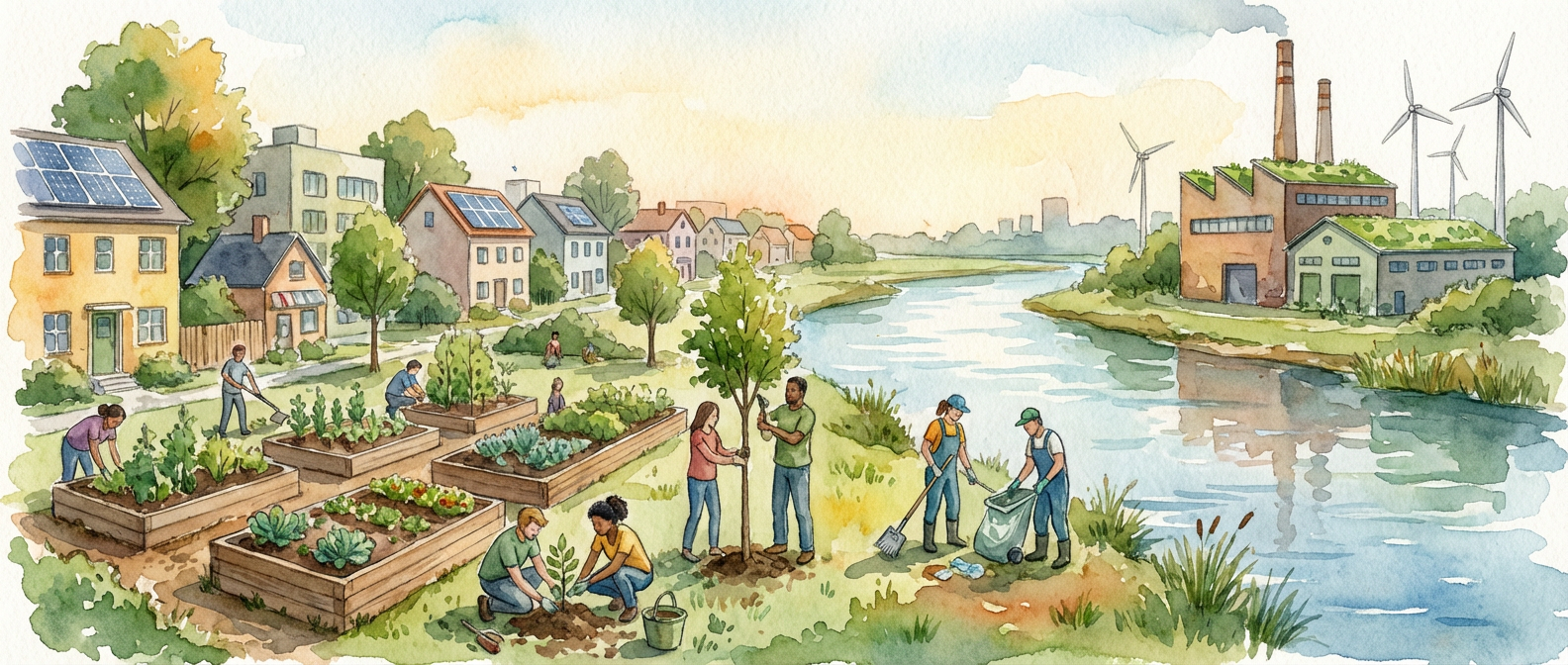
Illustration for Your Neighborhood Safety Toolkit: Who to Call, When, and Why It Actually Works

Build Your Everyday Safety Network

Real neighborhood safety happens in daylight, not just during emergencies. It starts with knowing who lives around you. I’m not suggesting you become best friends with everyone, but knowing names makes a difference. When Mrs. Chen didn’t pick up her newspaper for two days, her neighbor knocked. Turns out she’d fallen and couldn’t reach her phone. Simple awareness prevented a much worse situation.

Start small and practical. Share phone numbers with your immediate neighbors. Create a simple group text or email list for your block. We use ours to coordinate package deliveries, share security camera footage when needed, and organize the occasional street cleanup. Nothing fancy. Just basic connection.

The most effective safety tool we’ve put in place? A rotating schedule for evening walks. Different neighbors take turns walking the same route each night around 7 PM. We’re not trying to be vigilantes, just visible. People notice when the same person walks by their house regularly. It discourages opportunistic crime and helps us spot problems before they get worse.

Work With What Your City Already Has

Your city probably has programs you’ve never heard of. I discovered this by actually reading the municipal website, which I realize sounds about as fun as watching paint dry. But bear with me here.

Most cities have free home security assessments where trained officers walk through your property and suggest improvements. Ours includes checking sight lines, lighting, and door locks. They also loan out security cameras temporarily if you’re having specific problems. I had no clue this existed until I asked directly.

Many cities run Citizens Police Academy programs. These aren’t about becoming amateur cops, but understanding how policing actually works in your community. You learn about response protocols, community policing strategies, and how to report problems effectively. Plus you meet neighbors from other areas dealing with similar challenges.

Look for neighborhood liaison officers too. These are cops assigned to specific areas who focus on relationship-building rather than just responding to calls. Ours comes to our monthly neighborhood meetings and actually listens to concerns. When we explained that speeding on Oak Street was getting worse, he worked with traffic enforcement to add targeted patrols during school hours. Problem solved within two weeks.

Address the Problems Nobody Wants to Talk About

Let’s be realistic about what actually makes neighborhoods feel unsafe. It’s usually not random crime. It’s the house with the overgrown yard that’s clearly abandoned. The corner where people hang out and leave trash everywhere. The broken streetlight that’s been dark for six months.

These problems need different solutions than calling police. For abandoned properties, contact code enforcement and attend city council meetings. I know, I know. But bringing photos and specific addresses gets results. Our council put money toward vacant lot cleanup after three neighbors showed up with documentation and wouldn’t leave until someone listened.

For ongoing issues like drug activity or harassment, you need paper trails. Document everything with dates, times, and photos when safe to do so. Most cities require this for effective intervention. It feels tedious and bureaucratic, but it actually works. Eventually.

Sometimes the problem is lack of programming for kids and teens. Empty lots and bored teenagers create predictable problems. Our neighborhood partnered with the parks department to get basketball hoops installed at the elementary school. Simple solution, but it took six months of emails and showing up to meetings to make it happen.

When Official Channels Aren’t Enough

Sometimes you need to create your own solutions while working within the system. Our neighborhood formed a partnership with local businesses to improve evening lighting and foot traffic. The pizza place stays open later now, and the owner agreed to keep his front lights on all night. In exchange, we promote his business and help keep his storefront clean. Everyone wins.

We also organized volunteer days that combine safety improvements with community building. Last month we cleaned up the walking trail and installed reflective tape on posts with permission from parks and recreation. This weekend we’re painting over graffiti on the underpass. The city provided supplies after we submitted a formal volunteer application, which took exactly three tries to get approved.

For persistent problems, consider forming an official neighborhood watch group. Yes, they actually work when done right. The key is training through your local police department and focusing on observation and reporting, not confrontation. Our watch group helped solve a string of car break-ins by coordinating observations and security footage. Took about two months, but we got the guy.

The most important lesson I’ve learned from three years of neighborhood organizing? Start with one small, achievable goal. Fix that broken streetlight. Organize one cleanup day. Success builds momentum, and momentum brings more neighbors to the table. Safety isn’t just about crime prevention. It’s about creating communities where people look out for each other because they actually know each other’s names and stories.

What’s one safety concern in your neighborhood that you could tackle this month? Drop me a line and let’s figure out the first step together. I’ve got the city council meeting minutes if you need them, and trust me, I know how to navigate the bureaucracy by now.

The Tuesday Night Democracy We Used to Have

When Civic Life Had Guardrails

My neighbor Janet told me something last week that stopped me cold. Her grandmother used to take her to school board meetings in the 1970s. Not as punishment. As Tuesday night routine. “We’d sit in those orange plastic chairs,” Janet said, “and Grandma would explain what the budget numbers meant while I colored.” The meetings started at 7:30 and ended by 9. Parents brought kids because the agenda was predictable, the issues were local, and someone always had extra juice boxes.

That world is gone. Not because we stopped caring about schools, but because we dismantled the infrastructure that made caring manageable. Modern school board meetings run three hours minimum. They’re livestreamed but not archived in searchable ways. The budget documents require a master’s degree to decode. We professionalized civic participation right out of reach of the families who need it most.

This isn’t nostalgia for simpler times. It’s recognition that we had working systems and we broke them. The question is whether we can build better ones.

The Childcare Democracy Deficit

Here’s what nobody talks about when they complain about low voter turnout: most civic meetings happen at exactly the time working parents are doing bedtime routines. School board meets at 7. City council at 7:30. Planning commission at 6. The people most affected by decisions about schools, neighborhoods, and family services get shut out by scheduling alone.

I started tracking this after missing my fourth consecutive zoning meeting about the new apartment complex going up near my kid’s school. The meetings lasted past 10 PM. My babysitter costs $20 an hour. You do the math. That’s not apathy. That’s structural exclusion disguised as personal choice.

The city of Davenport, Iowa figured this out. They now offer free childcare at council meetings. Attendance doubled in six months. Not because people suddenly cared more, but because caring became logistically possible. Revolutionary concept: democracy works better when people can actually participate.

The Lost Art of Readable Government

My friend Mike runs a small business and coaches Little League. He wants to understand the proposed changes to commercial parking downtown. So he downloads the staff report. Forty-seven pages of consultant-speak about “multimodal transportation frameworks” and “activated streetscape zones.” Mike gives up on page three. The city loses input from someone who actually uses those streets daily.

We used to have local newspapers that translated this stuff. The reporter would call three people affected by the parking changes, explain what the proposal actually meant, and run a story you could read during lunch. Now we have government websites where public information goes to die in PDF dungeons.

This isn’t about dumbing things down. It’s about respecting people’s time and intelligence enough to communicate clearly. The city of Fort Collins publishes one-page summaries of complex issues in plain English. They include three questions residents should consider and contact info for whoever can answer them. Actual transparency that works.

Meeting People Where They Already Are

Last month, our neighborhood association tried something different. Instead of hosting another poorly attended evening meeting, we set up a booth at Saturday morning soccer games. Same agenda, different location. We talked zoning changes between goals and collected input on the playground renovation while kids burned off energy. We reached more families in three hours than we had in the previous six formal meetings combined.

Democracy doesn’t require special buildings or Robert’s Rules of Order. It requires showing up where people already spend time. The library. The farmers market. School pickup lines. Coffee shops with good wifi and patient baristas.

Seattle’s Department of Neighborhoods figured this out years ago. They bring city planners to community festivals, block parties, and youth sports events. Not with clipboards and surveys, but with simple questions: What works in your neighborhood? What doesn’t? What would you change? They get better input because they’re not asking people to add another meeting to impossibly full schedules.

Building Democracy That Fits Real Life

The solution isn’t to go back to 1975. It’s to build civic infrastructure that works for how families actually live in 2024. That means text alerts instead of buried website notices. Fifteen-minute neighborhood walks instead of two-hour hearings. Childcare at public meetings as standard practice, not special accommodation.

It means recognizing that the parent juggling three kids’ schedules has valuable perspective on traffic safety. The small business owner working two jobs understands economic development differently than the consultant who wrote the strategic plan. The teenager who actually uses the skate park knows what improvements would matter most.

Start small. Ask your city council to provide meeting summaries in plain English. Suggest rotating meeting times to accommodate different work schedules. Show up to one public hearing and notice who’s not in the room. Then figure out why.

Democracy isn’t a spectator sport, but it doesn’t have to be a second full-time job either. We can build systems that respect both the importance of civic engagement and the reality of modern family life. The first step is admitting we’ve made participation unnecessarily hard and committing to making it easier.

Next week, I’m attending the parks commission meeting about playground funding. They’re piloting a new format: thirty minutes max, childcare provided, plain-English summaries available afterward. Want to come see how it works? I’ll save you a seat and explain the budget numbers. Just like Janet’s grandmother used to do.

The Tuesday Morning Text That Changes Everything

When Your Neighbor’s Crisis Becomes Your Network’s Response

Maria’s text came in at 7:43 AM on a Tuesday: “Car broke down. Kids need to get to school. Anyone?” Within twenty minutes, three neighbors had offered rides, someone else was arranging a loaner car seat, and by Thursday, the local mutual aid network had connected her with a mechanic who worked on a sliding scale. This wasn’t charity. This was community infrastructure in action.

The Tuesday Morning Text That Changes Everything

Mutual aid networks work on a simple premise that feels radical in our individualistic culture: we take care of each other because that’s what neighbors do. Unlike traditional charity models that flow from those with resources to those without, mutual aid recognizes that we all have something to offer and we all need help sometimes. The person organizing grocery deliveries this month might be the one needing rides to medical appointments next month.

These networks have exploded across communities nationwide, particularly since 2020 when existing support systems cracked under pandemic pressure. But they’re not new. Immigrant communities, communities of color, and working-class neighborhoods have always practiced mutual aid. What’s changed is the scale, the intentionality, and increasingly, the recognition that these informal safety nets might be more reliable than formal ones.

Illustration for The Tuesday Morning Text That Changes Everything

The Mechanics of Care: How It Actually Works

The Riverside Mutual Aid Network started in a coffee shop when three parents realized they were all struggling with the same problem: affordable after-school care. Six months later, they’re a 200-person network coordinating everything from emergency childcare to tool sharing to prescription medicine exchanges. Their secret? A combination of simple organizing and smart coordination.

Most networks use basic group messaging apps or social media groups for immediate requests. Need a ride to the emergency room? Someone usually responds within minutes. But the real work happens in the background through working groups that focus on specific areas: food security, housing support, transportation, or skill sharing. These groups meet monthly, build relationships with local resources, and create systems that kick in fast when crises hit.

The beauty is in the redundancy. When the main organizer for food distribution went on vacation, three other people stepped in because they’d all been learning the systems together. When the usual location for the weekly supply swap became unavailable, the network had already identified backup spaces. This isn’t accidental. Good mutual aid networks deliberately build multiple pathways to achieve the same goal.

Resource sharing takes many forms beyond crisis response. Tool libraries let neighbors borrow everything from power drills to bread makers. Skill shares connect the person who knows car repair with someone who needs help with taxes. Buy Nothing groups circulate household items that might otherwise end up in landfills. These ongoing exchanges build the relationships that make emergency response possible.

Beyond Band-Aids: Building Long-Term Community Resilience

Sarah Chen learned about mutual aid when her neighbor started organizing grocery runs for elderly residents during the early pandemic lockdowns. Two years later, she’s coordinating housing advocacy for the network because she realized that helping individuals with rent emergencies, while important, wasn’t addressing the underlying affordability crisis affecting everyone.

This evolution from immediate aid to systemic change happens in networks that stick around long enough to see patterns. When the same families keep needing food assistance, networks start asking why wages are too low and food costs are rising. When transportation keeps coming up as a barrier, they start advocating for better bus service or organizing community car shares.

The most effective networks combine direct aid with advocacy work. They show up at city council meetings with data about community needs because they’re the ones fielding the requests for help. They know which intersections need stop signs because they’ve driven neighbors to the hospital after accidents there. They understand housing policy because they’ve helped families navigate eviction proceedings.

This dual approach strengthens both efforts. Direct aid builds trust and shows values in action. Advocacy work addresses root causes and prevents future crises. Together, they create communities that are more resilient and more powerful.

Getting Started: Your Tuesday Morning Text Network

Building a mutual aid network doesn’t require grant funding or nonprofit status. It starts with paying attention to what people in your community actually need and taking one small action. The parent struggling with after-school pickup, the elderly neighbor who mentions grocery shopping difficulties, the college student posting about needing interview clothes. These are organizing opportunities disguised as casual conversations.

Start by mapping existing resources and connections. Who in your neighborhood has useful skills? Which local businesses might be willing to offer discounts or donate surplus goods? What organizations are already doing related work that you could support rather than duplicate? Most communities have more resources than people realize. They just need better coordination.

Technology helps, but relationships matter more. A group text among five neighbors can accomplish remarkable things if those neighbors trust each other and communicate clearly about boundaries and expectations. As networks grow, they can add structure: regular meeting times, task rotation schedules, agreements about decision-making processes.

Successful networks establish clear principles early: mutual aid rather than charity, community members leading rather than outside experts, transparency about resources and decision-making, and recognition that this work is ongoing rather than temporary. These principles prevent networks from repeating the power dynamics they’re trying to change.

The Ripple Effects: What Changes When Communities Care

Six months into organizing with her local network, Alex noticed something unexpected: she felt less anxious about her own economic security. Not because her financial situation had improved, but because she now knew dozens of people who would help her problem-solve if something went wrong. This psychological shift happens frequently in mutual aid networks. Participants report feeling more connected, more confident, and more capable of handling challenges.

Networks change neighborhoods in visible ways too. Streets where neighbors actively support each other see more community gardens, more informal child supervision, more collective responses to problems like speeding traffic or inadequate lighting. Social connection creates physical safety and environmental improvements.

Local businesses often benefit when residents have stronger support systems. People with reliable childcare can attend community meetings and shop locally. Families with transportation support can access services in their own neighborhoods rather than traveling elsewhere. Economic stability spreads through networks as people share job leads, bulk-buy groceries, and provide services for each other.

Perhaps most importantly, mutual aid networks normalize asking for and offering help. They create cultures where acknowledging needs isn’t shameful and sharing resources isn’t exceptional. This cultural shift makes communities more responsive to all kinds of challenges, from individual crises to collective emergencies like extreme weather events or economic disruptions.

The next time you see a neighbor struggling with something manageable, consider sending that Tuesday morning text to a few people you trust. You might be surprised how quickly a simple question about rides or groceries turns into the foundation for a stronger community. The infrastructure for care often exists already. It just needs someone to start connecting the pieces.