Know Your Numbers (And Where They Come From)
Before you can fix what’s broken, you need to see it clearly. Start with your state’s environmental justice screening tool. Most states have them now, though they go by different names. California’s CalEnviroScreen, New Jersey’s EJST, and similar tools let you plug in your address and see how your neighborhood stacks up on pollution, health outcomes, and socioeconomic factors.
These aren’t perfect systems. They miss plenty, especially newer pollution sources and the lived experience of residents. But they give you baseline data that’s harder for officials to dismiss. Screenshot those maps. Print the reports. When you show up to city council with actual numbers about particulate matter levels near the elementary school, people listen differently.
Your local air quality management district also publishes monitoring data, usually updated daily. Sign up for their alerts. Follow their social media. These agencies often have community liaison programs that most people don’t know about, and those liaisons actually want to help connect residents with resources.

The Real Decision Makers (Hint: It’s Not Always Who You Think)
City council gets a lot of attention, but environmental justice often plays out at other levels. Your county health department investigates complaints about everything from illegal dumping to industrial odors. They have enforcement power that cities often lack. State environmental agencies handle major permits and can override local decisions.
Regional planning councils make zoning decisions that determine whether heavy industry gets built next to schools. Port authorities control shipping and freight routes. Even your local transit agency influences air quality through bus routes and electrification plans. Each has different meeting schedules, comment periods, and ways to influence decisions.
The trick is figuring out which agency actually has jurisdiction over your specific concern. Call the main number and ask. Most government workers genuinely want to direct you to the right place, even if the system is confusing. Keep notes about who you talked to and what they told you. You’ll need that information later.
Building Power That Actually Moves Mountains
Individual complaints get filed away. Groups of neighbors asking the same questions get meetings. Organizations with lawyers get results. You don’t need to become a professional activist, but you do need to connect with others facing similar issues.
Start hyper-local. That Facebook neighborhood group where people complain about potholes? Post about the diesel truck traffic that wakes everyone up at 5 AM. NextDoor works too, though you’ll get some weird responses. The parents at school pickup often know exactly which industrial facility is causing problems, even if they’ve never thought about it as environmental justice.
Look for existing environmental justice groups in your region. Many operate with tiny budgets but deep knowledge about which tactics work with local officials. They can walk you through public comment procedures, help you understand permit processes, and connect you with other neighborhoods facing similar challenges. Don’t assume you have to start from scratch.
Faith communities, union halls, and community centers often host these groups or know how to reach them. Librarians are surprisingly good at connecting people to local advocacy organizations. The reference desk is an underused resource for civic engagement.
Quick Wins That Build Toward Bigger Changes
While you’re working on the long-term stuff, grab some immediate improvements that make daily life better and show officials you’re serious. Request more frequent street sweeping in areas with heavy truck traffic. Ask for more trash cans in dumping hotspots. Push for better bus stop shelters near busy intersections where people are breathing exhaust while they wait.
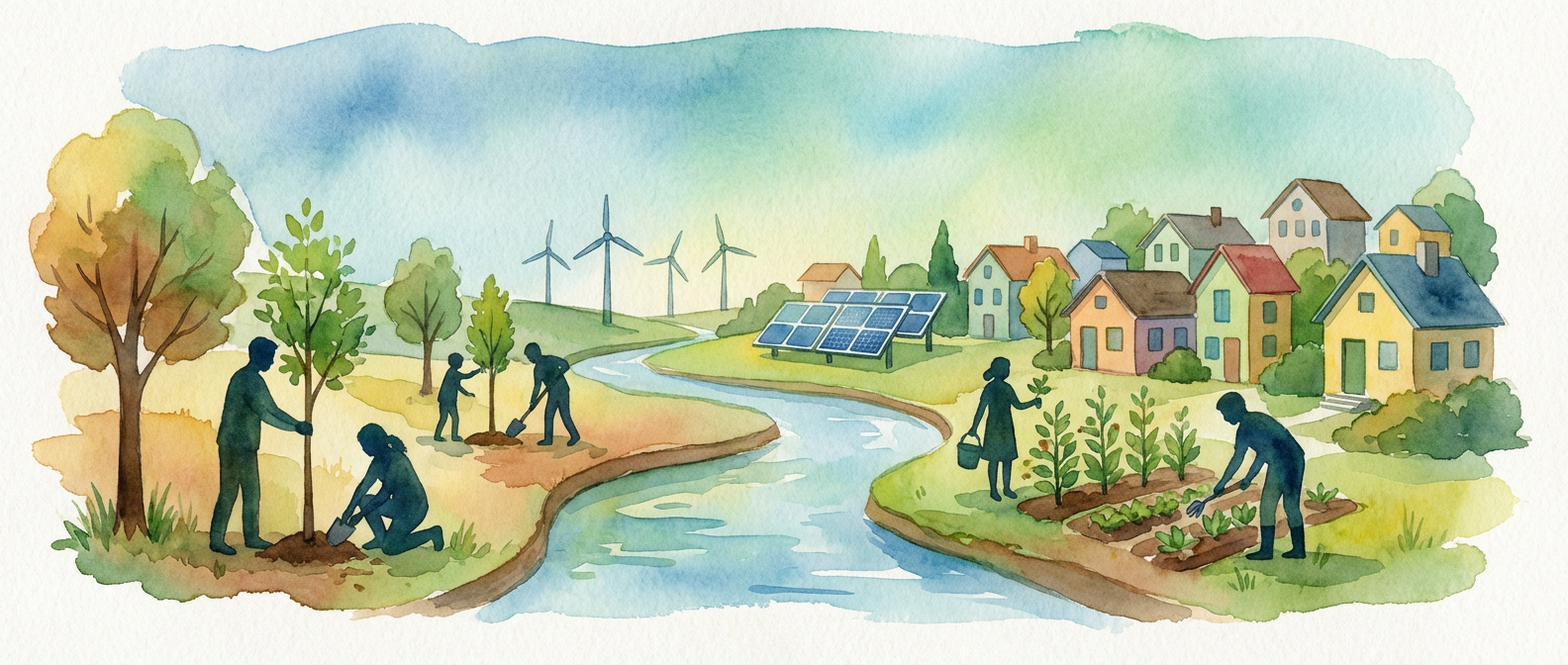
Tree planting gets attention because everyone likes trees, but be strategic about it. Trees near busy roads need to be the right species to actually filter pollution rather than just looking nice. Your municipal arborist can recommend varieties that handle urban stress and provide maximum air quality benefits. Many cities have free tree programs if you know how to ask.
School zones offer opportunities for quick policy changes that protect kids and demonstrate broader principles. Speed bumps, better crosswalks, and no-idling zones around schools are easier sells than major industrial permitting changes. But they establish precedent for putting health concerns first.
Document everything with photos and dates. Officials respond better to specific complaints with evidence than general grievances. That pile of construction debris that’s been sitting there for months becomes more actionable when you have photos showing it’s grown larger over time.
When You Hit Walls (And You Will)
Government moves slowly, especially when money is involved. Companies have lawyers and lobbyists. Sometimes the person you need to convince hasn’t returned calls in three weeks. This is normal, not a sign that you’re doing something wrong.
Build relationships before you need them. Introduce yourself to city council members at community events when you’re not asking for anything specific. Follow local journalists who cover environmental issues and share their stories on social media. Attend planning commission meetings even when nothing on your block is being discussed, just to understand how decisions get made.
Learn the budget cycle. Most cities do annual budget planning in spring and early summer, which is when you want to be requesting funding for air monitors or code enforcement positions. Asking for money in December usually means waiting until next year.
Sometimes the answer really is no, at least for now. When that happens, document why you were told no and who made that decision. Political landscapes change, and today’s impossible request becomes next year’s priority when new people get elected or public pressure builds.
The best advocacy happens when you understand both the problem and the systems designed to address it. None of this is as complicated as it seems from the outside, but it does take time to figure out how the pieces fit together. Start with one specific issue that affects your daily life, and use that as your entry point into the larger work. The trees we planted last month are already growing. The city council meeting next Tuesday has three environmental items on the agenda. Your neighborhood’s air quality data gets updated every Wednesday. Pick one thing and start there.