Why the Riverside Park Cleanup Turned Into a Three-Hour Argument About Property Lines

When Good Intentions Meet Real Estate Values

Last Tuesday’s community meeting about cleaning up Riverside Park started with twenty neighbors armed with trash bags and good intentions. It ended with three hours of heated debate about who gets to decide what counts as “improvement” when your backyard borders a flood zone.

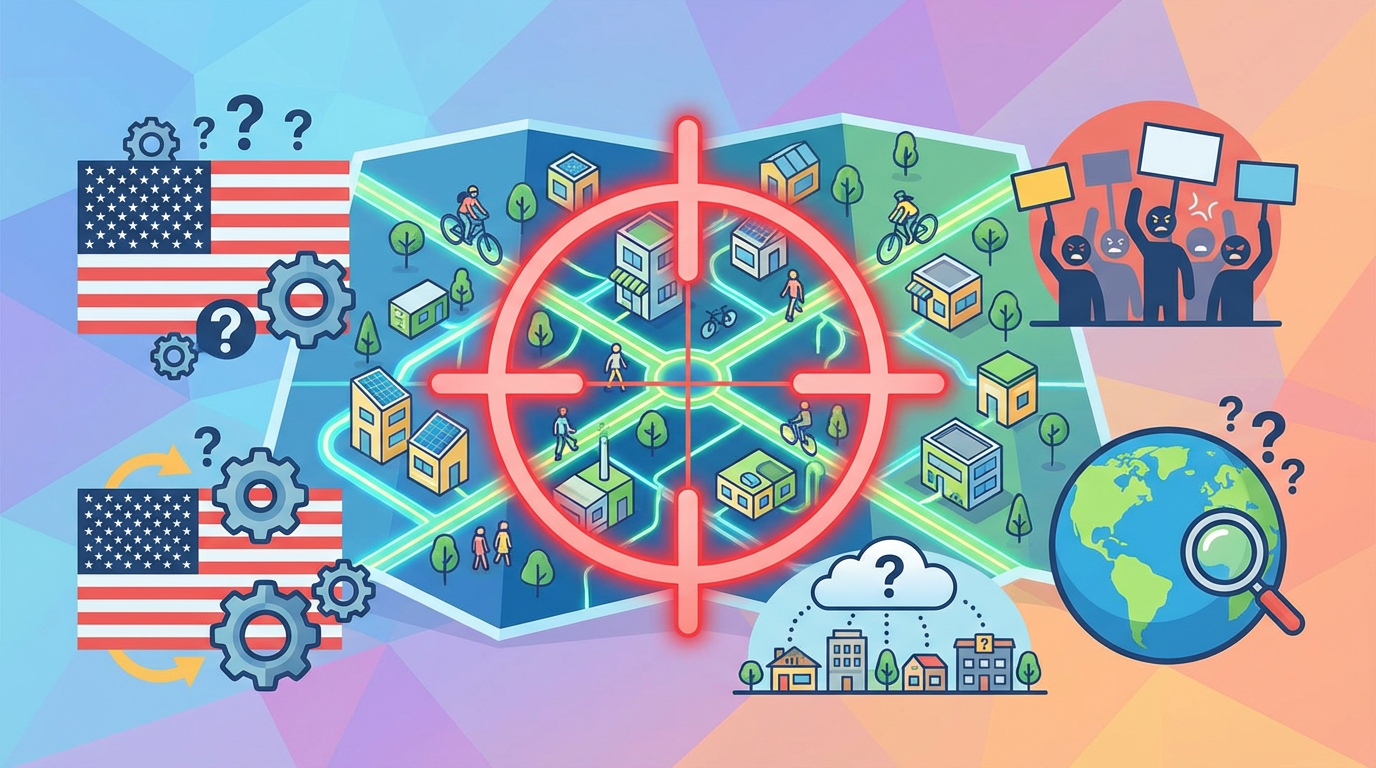
The conflict wasn’t really about picking up litter. Sarah Chen, who organized the cleanup through the Riverside Neighborhood Association, wanted to remove invasive plants and install native species that could handle flooding better. The homeowners along Maple Street saw this as the first step toward turning their quiet dead-end into a public thoroughfare. Both sides had environmental concerns. Both sides had legitimate fears about their property values and daily lives.

The Environmental Justice Angle Everyone Missed

Here’s what the meeting minutes won’t tell you: the families most affected by flooding during last spring’s storms weren’t in that room. Most of them rent apartments in the Riverside Commons complex, where the property management company doesn’t encourage tenant participation in neighborhood meetings. When the park floods, their cars get damaged in the parking lot. When invasive buckthorn blocks drainage, their ground-floor units get water damage.

Meanwhile, the homeowners advocating for “keeping the park natural” live uphill. Their biggest concern is foot traffic, not flood damage. The renters dealing with actual environmental health impacts had no idea the meeting was happening, despite city requirements for public notice. The Neighborhood Association posts flyers at the coffee shop and library, but not at the laundromat or bus stops where those most affected might actually see them.

Following the Money Trail

The city’s Parks Department set aside $15,000 for “community-driven environmental improvements” in Riverside Park this year. That funding came from a federal environmental justice grant specifically intended to address climate impacts in lower-income areas. The grant application, filed eighteen months ago, identified the Riverside Commons residents as the primary beneficiaries.

But here’s where it gets messy: the Neighborhood Association is the only group with the official status to receive and manage those funds. They’ve done excellent work on previous projects, like the rain garden that actually did reduce flooding on Oak Street. But their membership is 85% homeowners, despite the fact that 60% of people living within the project area are renters.

City Councilwoman Maria Rodriguez, who helped secure the grant funding, acknowledged the disconnect at last week’s council meeting. “We have a structural problem where the people with the capacity to manage grants aren’t always the same people most impacted by the problems we’re trying to solve,” she said. It’s not anyone’s fault, exactly, but it’s definitely everyone’s problem.

Three Solutions That Address Root Causes

The good news is that several neighborhoods have figured out ways to bridge these gaps. The Eastside Community Land Trust created a “Community Environmental Council” with reserved seats for renters, homeowners, and business owners. They rotate meeting locations between the library, community center, and apartment complex clubhouses. Their flooding reduction projects in Elmwood Park have cut water damage insurance claims by 40% over three years.

The Northside Neighborhood Coalition took a different approach: they partnered with the Tenants Union to do door-to-door surveys about environmental priorities before applying for any grants. Turns out residents were less concerned about invasive plants and more worried about the lack of bus shelter during summer heat waves. They used environmental justice funding to install solar-powered cooling stations, which also happened to create gathering spaces where neighbors actually meet each other.

For our Riverside situation specifically, there’s a third option worth considering. The city’s new Community Benefit Agreement policy requires any project using environmental justice funds to include impacted renters in the planning process. This means the Neighborhood Association could partner with Riverside Commons tenant organizers, split the decision-making authority, and design solutions that address both flooding and foot traffic concerns.

What Happens Next

The Riverside Park project is on hold until the next community meeting on March 15th. This time, the Tenants Union is helping to organize childcare and interpretation services. The Neighborhood Association agreed to meet at the Riverside Commons clubhouse instead of the library. Both groups are reviewing the original grant application together to figure out what success actually looks like.

Carmen Valdez, a Riverside Commons resident whose car flooded twice last year, put it best at Tuesday’s meeting: “I don’t care if we call it environmental justice or neighborhood improvement or whatever. I just want my kids to be able to walk to the park without stepping in puddles full of who-knows-what.” That’s a goal everyone in the room could agree on.

Environmental justice isn’t just about trees and clean air. It’s about who gets to make decisions about the places where we live. When we figure out how to include everyone in those conversations, we usually end up with better solutions for everyone.

Why Tuesday at 7 PM Doesn’t Work for Most Parents (And What Three Cities Did About It)

The Empty Chairs Problem

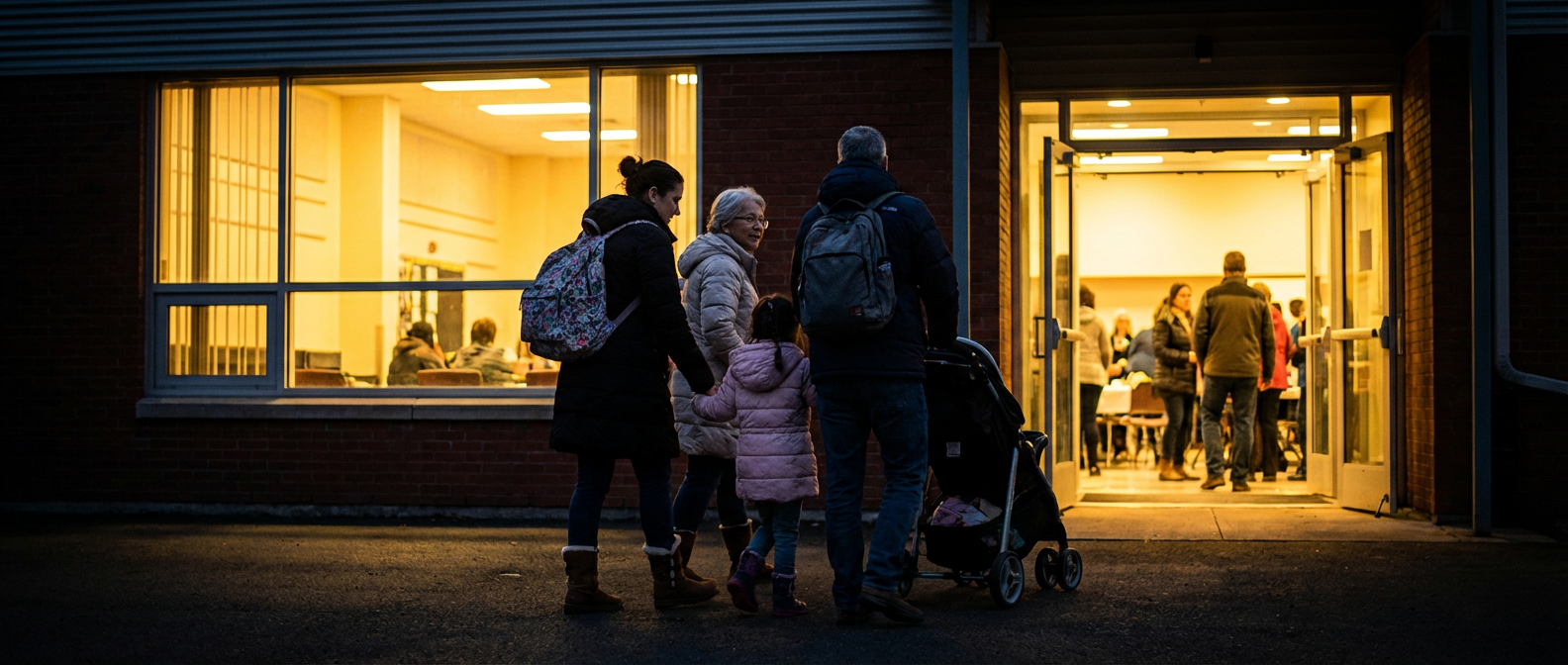
Last month’s city council meeting had twelve people in the audience. The topic? A proposed $2.8 million bond for new playground equipment that would affect every family with kids under ten. The meeting started at 7 PM on a Tuesday, ran until 9:30 PM, and required sitting through forty minutes of budget amendments before the playground item came up.

Maria Santos wanted to be there. She’d been organizing neighbors around the bond for weeks, gathering signatures and researching which equipment would work best for kids with mobility challenges. But she couldn’t find childcare, her partner works evenings, and her eight-year-old has school the next morning. So the decision about her neighborhood playground happened without her voice in the room.

When Meeting Times Become Barriers

Traditional civic participation runs on a schedule that assumes someone else is handling dinner, homework, and bedtime. Most city councils meet weeknight evenings. School board meetings often start at 6 PM sharp. Budget hearings happen during work hours on random Wednesdays.

This isn’t just inconvenient. It’s systematically exclusive. Working parents, people with evening jobs, and families without reliable childcare end up locked out of decisions that directly affect their daily lives. The playground bond passed, by the way. Whether it was the right decision is beside the point. The right voices weren’t heard.

But some cities are experimenting with alternatives. Spokane, Washington moved their budget meetings to Saturday mornings and provides childcare in the library next door. Austin, Texas livestreams council meetings and accepts video comments submitted in advance. Grand Rapids, Michigan holds quarterly “Coffee with Council” sessions at different community centers, rotating times between morning, lunch, and evening.

Making Your Voice Count Without Rearranging Your Life

You don’t have to choose between attending every meeting and staying engaged. Most cities accept written comments with the same weight as spoken testimony. Email your council member before the meeting with specific talking points. Many councils read these aloud during public comment periods.

Group testimony works too. Find three other families who share your position and designate one person to speak for all of you. Include names and addresses of everyone you’re representing. Council members pay attention to organized community voices, especially when they know those voices represent people who vote but can’t always attend meetings.

Social media matters more than you might think. Tag your representatives in posts about local issues. Share photos of problems that need attention. Most council members monitor their mentions, and public posts create accountability in ways that private emails don’t.

The Childcare Catch-22

Even when cities offer childcare during meetings, it often doesn’t work for busy families. Kids get cranky in unfamiliar spaces. Childcare volunteers aren’t always prepared for children with special needs. And many parents simply don’t feel comfortable leaving their kids with strangers, even for an hour.

The real solution isn’t just accommodating families at existing meetings. It’s creating multiple entry points for civic participation. Burlington, Vermont records fifteen-minute “Council Connects” videos after each meeting, highlighting key decisions and upcoming issues. Parents can watch while folding laundry or during lunch breaks.

Some communities are experimenting with “walking meetings” where council members join neighborhood groups for discussions during school hours, weekend mornings, or other family-friendly times. The conversations aren’t official meetings, but they create relationships that matter when formal decisions come up.

Building Systems That Work for Real Lives

The most successful civic engagement happens when cities meet families where they already are. PTAs can host elected officials during regular meetings. Coaches can distribute voter guides at soccer practice. Library story times can include five-minute updates about city issues affecting kids.

Technology helps, but only when it’s actually accessible. Not everyone has high-speed internet for live streaming. Not everyone is comfortable speaking on video. Text-based engagement through neighborhood apps or simple email surveys can reach people who won’t join Zoom calls or Facebook groups.

The key is multiple options, not perfect solutions. Some parents will always prefer written comments. Others need face-to-face conversations. Some want detailed policy analysis. Others need quick summaries. Effective civic participation looks like a buffet, not a single entree.

What’s one barrier that keeps you from engaging more with local government? And what’s one small change that would make it easier for you to participate? The answers matter more than you might think, because the people making decisions about your community need to hear them.

How Sixth Street Turned an Empty Lot into Everyone’s Backyard

The Question That Started Everything

Maria Santos was walking her dog past the weedy lot on Sixth Street when her neighbor Jim called out from his porch. “Think the city would let us do something with that?” The lot had been empty for three years, collecting shopping carts and broken glass. Maria had wondered the same thing every morning on her way to the bus stop.

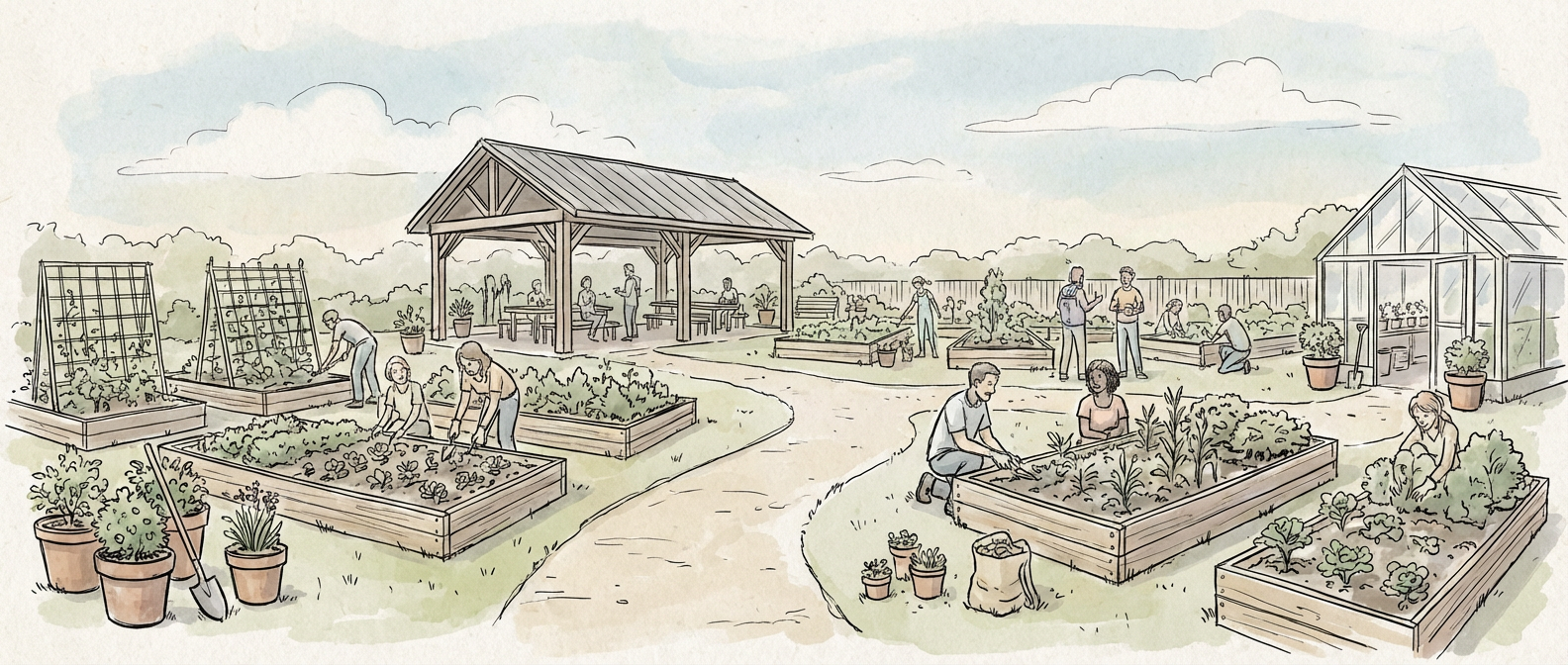
That casual question launched what became the Sixth Street Community Garden, but more importantly, it created a template other neighborhoods are now copying. The real story isn’t about tomatoes and sunflowers. It’s about how a handful of residents learned to navigate city bureaucracy, organize their neighbors, and turn a neglected space into something that makes the whole block stronger.

Starting With What You Actually Have

Maria and Jim’s first step was the least glamorous: they went to City Hall and asked who owned the lot. Turns out it belonged to the city, acquired years ago for a development project that never happened. The clerk handed them a thick packet about the Community Land Use Permit process. Most people would have walked away right there.

Instead, they did something smart. They organized a “paperwork party” at Maria’s kitchen table the next Saturday. Five neighbors showed up with coffee and laptops. They split the application into sections, with each person taking responsibility for researching one piece. Jim handled the insurance requirements. Sandra, who works in nonprofit finance, tackled the budget projections. By the end of the morning, they had a plan and everyone understood their role.

The application required signatures from adjacent property owners, soil testing, and a detailed site plan. Rather than treating these as obstacles, the group used each requirement as a reason to knock on more doors and have more conversations. The soil test revealed some lead contamination near the street, which meant raised beds only. The site plan process brought in Mrs. Chen, a retired landscape architect who lived two blocks over and had been looking for a project.

Building Support Before Breaking Ground

The permit process took eight months. That gave the organizing committee time to build real neighborhood investment. They set up a card table outside the corner store on weekends, not to ask for money, but to ask for input. What did people want to see in the space? A playground? Picnic tables? Space for quinceañera photos?

The feedback surprised them. Teenagers wanted a place to hang out after school that wasn’t the parking lot. Parents of small children needed somewhere safe to let kids run around. Older residents missed having a place to sit outside and talk to neighbors. The garden itself was just one piece of what people actually wanted: a shared backyard for a neighborhood full of apartments and small houses with no yards.

They started holding monthly “vision meetings” at the community center, rotating between English and Spanish. Sandra made simple flyers with pictures instead of lots of text. The meetings weren’t lectures about gardening. They were working sessions where people drew their ideas on poster paper and talked through logistics. How would they handle water access? What about winter activities? Who would coordinate work days?

Learning the System So Others Don’t Have To

When the permit finally came through, the real organizing work began. The city required the group to form a nonprofit organization and carry liability insurance. Maria spent weeks researching other community gardens to understand the legal structure. She discovered that most successful projects operate as committees under an existing nonprofit’s umbrella, rather than starting from scratch.

They partnered with the Riverside Neighborhood Association, which already had nonprofit status and insurance. This saved months of paperwork and thousands in legal fees. More importantly, it connected them to other community organizers who had navigated similar projects. When they hit problems, they had people to call who understood both the bureaucratic process and the neighborhood dynamics.

The group documented everything: which city departments to contact for what, how long each approval actually takes, which forms are really necessary and which are just suggestions. They created a simple guide that other neighborhoods could adapt. When the Harrison Street residents wanted to start their own garden project six months later, they had a roadmap that cut their timeline in half.

What Actually Grows in Shared Spaces

Two years later, the garden produces more than vegetables. Mrs. Chen’s landscape design included a small amphitheater where the neighborhood association now holds its monthly meetings. The tool shed doubles as a little free library. The picnic tables get used for birthday parties, homework help, and informal job networking among neighbors.

The work days happen every other Saturday morning. About fifteen people show up regularly, but the participant list rotates based on what needs doing. Teenagers help with the heavy digging in exchange for community service hours. Parents bring kids who treat weeding like a treasure hunt. Retirees share growing knowledge and keep an eye on things during the week.

The garden pays for itself through a combination of small plot fees, plant sales, and occasional fundraising dinners. More importantly, it created ongoing relationships that extend beyond the fence. When the city proposed eliminating the bus stop on Sixth Street last year, the garden network mobilized quickly to attend hearings and submit comments. They saved the bus stop.

Maria keeps the original paperwork in a binder that she loans out to other organizing committees. The permit process isn’t actually that complicated, she tells people. You just have to be willing to read the instructions carefully and ask questions when something doesn’t make sense. The real work isn’t growing plants. It’s growing the kind of neighborhood where people know each other well enough to tackle problems together.

The Empty Corner Where Martinez Hardware Used to Fix Everything

What We Actually Lost When the Last Three Shops Closed

I was digging through my junk drawer last week, looking for a specific Allen wrench, when I found a receipt from Martinez Hardware dated eighteen months ago. Three screws, some wood stain, and twenty minutes of free advice on fixing a wobbly table leg. Total cost: $4.73. The advice was worth more than everything else I bought that day.

That corner storefront sits empty now, papered over with permits for yet another chain urgent care. We lost more than a place to buy screws. We lost the guy who knew that my neighbor’s 1970s screen door takes a specific type of spring, and who kept a coffee can full of them behind the counter. We lost the bulletin board where people posted handwritten notes about missing cats and free piano lessons.

When small businesses close, we don’t just lose shopping options. We lose the infrastructure that makes neighborhoods work. The question isn’t whether we can save every struggling shop. It’s whether we understand what we’re actually trying to preserve, and whether we’re willing to do something about it before the next wave of closures hits.

The Real Work Small Businesses Do

Elena’s Café doesn’t just sell coffee. It’s where the morning regulars worked out the logistics for this year’s block party, where the high school student who walks dogs found three of her regular clients, and where the city council candidate held impromptu office hours every Thursday for two months. When Elena had to close for three weeks last winter because of a kitchen equipment breakdown, those conversations didn’t migrate to another location. They just stopped happening.

Small businesses are informal community centers, notice boards, and neutral meeting grounds. They employ people from the neighborhood who know your kids’ names and remember what happened during the last big storm. They’re owned by people who can’t just move their operation to a lower-rent district when the lease goes up.

This isn’t nostalgia talking. It’s infrastructure. When we lose these businesses, we lose the places where neighbors encounter each other regularly, where information circulates naturally, where the social fabric gets rewoven one conversation at a time. Amazon can’t replicate that, and neither can a chain store managed by someone who commutes in from across town.

What Actually Helps (And What Doesn’t)

The usual advice about supporting small businesses misses the point. Buying local when you can afford it is nice, but it won’t save a struggling shop if only ten percent of the neighborhood has disposable income for artisanal soap. The businesses that provide essential functions need support systems that go beyond individual consumer choices.

What works: coordinated efforts that address real barriers. When the small business association organized group purchasing for payment processing systems, twelve shops cut their transaction fees by thirty percent. When neighbors lobbied the city to allow shared delivery services, four restaurants started offering affordable delivery for the first time. When the community land trust bought the building that houses three long-term businesses, those owners stopped worrying about displacement and started planning expansions.

The most effective support happens before businesses are desperate. Last month, I watched fifteen neighbors show up to a city planning meeting to advocate for keeping commercial rent stabilization in the new zoning proposal. Three people had read the actual 47-page document. Everyone else listened to the summary and asked good questions. The proposal passed. It wasn’t glamorous, but it was the kind of civic engagement that prevents closures instead of just mourning them.

Building Systems That Work for Everyone

The best small business support efforts recognize that healthy neighborhoods need mixed income levels and diverse business types. This means advocating for affordable housing alongside commercial rent stabilization. It means supporting both the specialty cheese shop and the discount grocery store. It means understanding that economic diversity strengthens rather than threatens community stability.

Three blocks over, a group of neighbors worked with existing business owners to map what the area actually needed: a hardware store, a place to get basic alterations done, somewhere to buy phone chargers and batteries. They used this information to actively recruit businesses that provide daily needs rather than just hoping the right shops would appear. When the former dry cleaner space became available, they had a list of potential tenants who offered services people actually use.

This kind of planning requires knowing who lives in your area and what they need. It means talking to the single mom who works two jobs and the retired teacher who walks everywhere and the college students sharing a four-bedroom house. Their needs aren’t the same, but businesses that handle basic functions well can work for everyone.

The Next Six Months Matter

Right now, two more businesses on our main commercial strip are behind on rent. The owners haven’t made any public announcements, but the signs are visible if you know what to look for. Reduced hours, help wanted signs that stay up for weeks, the subtle shabbiness that comes with deferred maintenance. We can wait until they close and then organize a nostalgic farewell event, or we can figure out what concrete support looks like while there’s still time to offer it.

This doesn’t require special expertise or large amounts of money. It requires showing up to city council meetings when commercial zoning gets discussed. It means finding out if your favorite businesses need help navigating permit renewals or connecting with suppliers. It means treating the economic health of your neighborhood as a shared responsibility rather than someone else’s problem.

The empty corner where Martinez Hardware used to be won’t stay empty forever. Something will move in eventually. The question is whether we’ll have any influence over what that something turns out to be, and whether it will work for the neighborhood as well as what we lost. The answer depends on what we’re willing to do in the next few months, while there are still businesses left to support and empty storefronts left to fill thoughtfully.

When Tuesday at 7 PM Doesn’t Work for Everyone: Making Civic Participation Actually Accessible

The Tuesday Night Problem

Last month’s city council meeting ran until 10:30 PM. I know because I was there, taking notes while parents around me checked phones for babysitter updates and shift workers calculated whether they’d make it to their 11 PM jobs. The agenda included a proposed childcare center, affordable housing amendments, and new bus routes. Critical stuff for families. Yet most of the families these decisions would impact weren’t in the room.

When Tuesday at 7 PM Doesn't Work for Everyone: Making Civic Participation Actually Accessible
When Tuesday at 7 PM Doesn’t Work for Everyone: Making Civic Participation Actually Accessible

This isn’t anyone’s fault, exactly. Council members volunteer their time after their own day jobs. City staff work within budget constraints that haven’t gotten any better in years. But when civic participation requires showing up on Tuesday evenings for potentially hours-long meetings, we’re systematically excluding the people most affected by local decisions.

The result? Policy discussions happen without the voices of single parents working multiple jobs, families without reliable transportation, or anyone whose life doesn’t accommodate unpredictable evening schedules. It’s not that people don’t care. The system just locks them out because it was designed for a different era.

Illustration for When Tuesday at 7 PM Doesn't Work for Everyone: Making Civic Participation Actually Accessible
Illustration for When Tuesday at 7 PM Doesn’t Work for Everyone: Making Civic Participation Actually Accessible

What Busy Actually Means

Let’s be specific about barriers. Sarah, who works two retail jobs and takes night classes, can’t predict her Tuesday availability three weeks out when agendas are posted. Mike’s family shares one car between two parents working opposite shifts. Elena needs childcare for three kids under eight, and the council chambers aren’t set up for families.

Then there’s the time investment. Even short meetings require travel time, parking, and sitting through procedural items that may not relate to your concerns. For agenda items that get postponed or moved around, you might invest three hours for five minutes of relevant discussion.

Digital participation helps, but watching livestreams doesn’t let you speak during public comment. Many cities offer online comment submission, but these often carry less weight than in-person testimony. The message, intentional or not, is that real participation requires physical presence during business hours or weekday evenings.

Cities Trying Different Approaches

Some communities are experimenting with solutions. Bellevue, Washington, holds Saturday morning council sessions for specific issues. Portland, Oregon, has childcare during evening meetings. Minneapolis tested mobile office hours, bringing city staff to community events rather than requiring people to come to city hall.

Online tools are evolving too. Decidim, an open-source platform used by Barcelona and other cities, lets residents propose initiatives, discuss policies, and vote on participatory budget items from home. Some US cities use simplified versions through existing websites or apps.

The most promising approaches combine multiple access points. In-person meetings remain available for those who prefer them, while online forums, weekend sessions, and community outreach create additional entry points. No single solution works for everyone, but multiple options increase the chances that busy families can participate somehow.

The Real Tension: Resources vs Access

Here’s where it gets complicated. Every additional meeting format costs money cities often don’t have. Staff time for weekend sessions, childcare during meetings, translation help, and digital platform maintenance all require budget allocations. Smaller cities especially struggle with these costs.

Council members, usually volunteers themselves, worry about expanding their time commitments. They’re already balancing civic duties with their own jobs and families. Adding Saturday sessions or extended public comment periods means more unpaid hours away from their own responsibilities.

There’s also the question of whether more access actually changes outcomes. Cities that have expanded participation options sometimes find the same demographic groups dominating discussions, just across different platforms. Increasing access doesn’t automatically increase equity if other barriers remain.

But here’s the counter-argument: cities make decisions affecting everyone regardless of who shows up to meetings. If participation barriers exclude working families, then policies inevitably reflect the priorities and perspectives of people with more flexible schedules and resources. That’s not necessarily malicious, but it is predictably skewed.

Small Steps That Actually Help

Change doesn’t require overhauling everything immediately. Simple adjustments can make real differences. Posted agendas with realistic time estimates help people plan. Text or email updates when agenda items move help prevent wasted trips. Clear information about which items allow public comment reduces confusion.

Some cities designate specific meetings for family-friendly scheduling, with earlier start times and shorter agendas. Others rotate meeting times throughout the year, so Tuesday evening regulars sometimes have to adjust while others get their preferred weekend or lunch-hour slots.

Digital improvements help too, but they work best when designed with input from people who actually need them. Generic comment forms often get ignored, while structured feedback on specific proposals tends to carry more weight. Video summaries of key decisions, posted within days of meetings, help people stay informed without watching full session recordings.

The goal isn’t perfect participation from everyone. It’s removing unnecessary barriers so that people can engage when issues matter to them. A parent might not attend every meeting, but they should be able to weigh in when childcare or school policies are up for discussion.

These changes happen faster when residents ask for them specifically. City staff often want to improve accessibility but need concrete feedback about what would actually help. If Tuesday evenings don’t work for you, say so. If childcare would make the difference between attending and staying home, mention it. Local government responds to specific requests more than general complaints about access.

Want to start somewhere? Check your city’s website for upcoming agenda items that affect your family, then email your council member about barriers that prevent you from participating. Most are genuinely interested in hearing from more residents. They just need to know what’s standing in the way.

The Tuesday Morning Revolutionaries: How Maria’s Tomatoes Started a Movement

When the Lot Spoke Back

Maria Gonzalez first noticed the weeds in February. Not the scraggly dandelions most people ignore, but the way they’d organized themselves in neat rows across the abandoned lot on Maple Street. “Like they were waiting for someone to pay attention,” she tells me, gesturing toward what’s now a thriving community garden that feeds forty-three families.

The Tuesday Morning Revolutionaries: How Maria's Tomatoes Started a Movement
The Tuesday Morning Revolutionaries: How Maria’s Tomatoes Started a Movement

The lot had been empty since 2019, when the old Murphy’s Hardware finally closed. City records show it bounced between three different development proposals before landing in bureaucratic limbo. Maria, who works the early shift at the hospital, walked past it every morning on her way to the bus stop. “I kept thinking about my grandmother’s garden in El Salvador. How she fed half the neighborhood with one small plot.”

That’s when she started showing up to city council meetings. Not the heated ones that make the local news, but the regular Tuesday morning sessions where they discuss zoning variances and street maintenance schedules. “Nobody else was there except Mr. Peterson, who comes to complain about parking meters,” Maria laughs. “And suddenly I’m asking about soil testing and community land use permits.”

Illustration for The Tuesday Morning Revolutionaries: How Maria's Tomatoes Started a Movement
Illustration for The Tuesday Morning Revolutionaries: How Maria’s Tomatoes Started a Movement

The Spreadsheet That Changed Everything

Sarah Kim joined the effort in March, armed with the kind of color-coded spreadsheet that makes city planners weep with joy. A software developer who’d moved to the neighborhood six months earlier, she’d been looking for ways to meet people beyond the coffee shop small talk. “Maria had the vision, but someone needed to figure out the logistics,” Sarah explains.

Her research revealed that the city’s Community Gardens Program had been quietly updated the previous fall. New rules allowed for faster permitting on lots under two acres, provided the applicants could demonstrate neighborhood support and basic environmental stewardship knowledge. “It was buried in a 47-page document about municipal land use. I probably would have missed it if I hadn’t been reading everything twice.”

The two women spent April mapping out possibilities. Raised beds for accessibility. A shared tool shed. Rain collection barrels. Native plant borders to support local pollinators. Sarah’s technical background meant she could draft proper site plans, while Maria’s three decades in the neighborhood gave her the relationships that would make or break the project.

The Power of Showing Up

By May, they had twelve families interested and a petition with eighty-seven signatures. But the real breakthrough came when they started attending the monthly Parks and Recreation committee meetings. Committee chair Janet Walsh had been pushing for more green space initiatives for years, often to empty rooms and polite indifference.

“Janet lit up when we presented the proposal,” Sarah remembers. “She’d been pushing similar projects for ages, but this was the first time community members had done the groundwork themselves.” Walsh fast-tracked their application through the approval process, connecting them with the city’s sustainability coordinator and helping them navigate the insurance requirements that typically stall these projects.

The key insight was understanding that city officials aren’t obstacles by default. They’re often waiting for residents who’ve done their homework and can speak the language of municipal planning. “Once we learned to talk about ‘environmental impact mitigation’ instead of ‘pretty flowers,’ everything moved faster,” Maria notes.

Ground broke in July. The first tomatoes were harvested in September. By October, the waiting list for garden plots stretched to thirty-five names, and the Tuesday morning planning meetings had evolved into Saturday potlucks that regularly draw fifty neighbors.

Beyond the Vegetables

Walk through the Maple Street Community Garden today and you’ll see the obvious wins. Neat rows of winter squash and late-season greens. A greenhouse built from salvaged windows that local contractor David Ross donated after his kitchen renovation. Kids from the elementary school two blocks away tending the butterfly garden they planted as part of their science curriculum.

But the subtler changes matter more. Mrs. Chen, who’d lived on the block for fifteen years without knowing her neighbors’ names, now runs the seed-sharing library. Teenagers who used to treat the lot as a shortcut now stop to help elderly gardeners carry their harvest home. The informal network that developed around sharing tools and comparing pest control strategies has become a resource for everything from babysitting exchanges to job referrals.

“We solved the food access issue, but we accidentally built something bigger,” Maria reflects. “People feel more connected to where they live. They pay attention to city council decisions because they understand how policy affects their daily lives.”

The garden’s success has inspired similar projects across the city. Three new community gardens opened this year, and the Parks department has streamlined the application process based on lessons learned from the Maple Street experience. What started as one woman noticing weeds has become a template for grassroots civic engagement that actually works.

The Tuesday Morning Test

The next city council meeting is December 10th, 9 AM at City Hall. Coffee’s usually pretty bad, but the agenda includes updates on the proposed bike lane extensions and the new affordable housing development near the library. Maria will be there, probably with questions about maintenance budgets and community input processes.

Sarah’s working on a proposal for tool-lending libraries in all city parks, complete with cost analysis and implementation timelines. She’s learned that city officials respond better to specific solutions than general complaints, and she’s gotten good at translating community needs into policy language.

The Maple Street garden closes for the season next month, but the planning never stops. Winter meetings will focus on expanding the composting program and designing a rainwater management system that could work as a model for other neighborhoods dealing with storm water runoff.

If you’re curious about what’s possible in your own neighborhood, start small. Read the meeting minutes. Show up with questions. Bring a friend who’s good with spreadsheets. Pay attention to the empty lots and overlooked spaces around you. Sometimes the most revolutionary act is simply noticing what’s already there, waiting for someone to care enough to do something about it.

Why the Tuesday Night Cookie Lady Beat City Hall (And What We Can Learn From Her Kitchen Table)

The Meeting That Almost Wasn’t

Margaret Chen started bringing homemade cookies to Tuesday night planning commission meetings in 2019. Not because she was trying to butter up anyone, but because the meetings ran until 11 PM and people were hungry. Three years later, when the developer tried to slip a variance through for the apartment complex that would block the elementary school’s only safe crossing, it was Margaret’s kitchen table network that killed the project in two weeks.

The cookies were never really about cookies. They were about the fifteen minutes before the meeting started when people actually talked to each other instead of just showing up to yell into the void during public comment. Margaret understood something most organizing manuals miss: you can’t build power without building relationships first.

What We Lost When We Went Digital

The pandemic forced everything online, and we learned we could attend city council meetings in our pajamas. We also learned what happens when you strip away every casual interaction that makes democracy actually work. The side conversations in the parking lot. The moment when someone explains the budget line item you didn’t understand. The simple act of recognizing faces.

Jefferson Elementary PTA used to meet in the school cafeteria with kids running around the edges of the room. Parents would arrive early to help fold flyers, stay late to stack chairs. When they moved to Zoom, attendance dropped from thirty-five to twelve. But worse than the numbers, they lost the informal mentorship where experienced parents walked newcomers through how the district actually operates. The new families stopped coming because nobody explained that “curriculum adoption” wasn’t just teacher jargon for buying textbooks.

Look, online organizing can work. But we have to be intentional about recreating the relationship-building that used to happen by accident. The housing justice group that meets monthly at the community center now starts every Zoom call with breakout rooms for introductions. Not icebreakers. Real introductions about why people showed up and what they’re hoping to accomplish.

The Block Captain System Nobody Talks About

Everyone wants to know how the Riverside neighborhood killed the highway expansion in six months. The secret wasn’t the petition with 3,000 signatures or the packed city council meeting. It was Linda Okafor’s block captain system that she borrowed from her grandmother’s church organizing in the 1960s.

Linda divided the neighborhood into twelve-house chunks and recruited one person per chunk. Not to collect signatures or make phone calls, but to actually know their neighbors. Block captains had coffee with people, learned who had kids walking to school, who worked night shifts and needed quiet during the day, who had lived there for forty years and who had moved in last month. When the highway fight started, they weren’t asking strangers to sign a petition. They were having conversations with people they already knew about a threat to a community they’d already built.

Here’s the detail that matters: block captains got a one-page fact sheet every two weeks, not a fifteen-page research report. Linda learned that people will share information they understand, but they won’t share homework assignments. Each fact sheet had exactly three points and one specific action anyone could take in under ten minutes.

Money Talks, But Consistency Wins

The charter school board spent $40,000 on mailers in the last school board election. The parent organizing committee spent $847 on photocopying and won three of five seats. The difference wasn’t money. It was showing up to every single school board meeting for eighteen months, not just during election season.

Maria Santos started attending meetings when her daughter was in kindergarten because the class sizes were too big. She kept going when the problem got fixed because she realized how many decisions get made when nobody’s watching. By the time the charter school fight started, Maria knew which board members read the agenda in advance, which ones checked their phones during presentations, and exactly how the public comment rules worked. She knew the superintendent’s priorities and the budget director’s weak spots.

When election time came, Maria’s team didn’t need to research the issues or figure out the process. They’d been there. They had credibility that no amount of campaign money could buy. Their candidates didn’t make promises about what they might do. They talked about what was already happening and how they’d continue the work.

The Infrastructure Nobody Sees

The food pantry at St. Mark’s feeds 200 families every Saturday morning. It also works as the neighborhood’s informal communication hub, the place where people learn about eviction hearings and road closures and which city council candidates actually live in the district. Pastor Williams never set out to run a political operation, but information flows through the pantry line like water finding its level.

This is what makes grassroots organizing possible: the regular gathering places where people already show up, the trusted relationships that already exist, the natural networks that connect neighbors to neighbors. The mistake most organizing groups make is trying to build this from scratch instead of finding where it already lives.

The tenant organizing group that actually wins rent control campaigns doesn’t start with a rally. They start by showing up at laundromats and bus stops, asking people what’s already bothering them and finding out where they already gather to complain about it. Then they make those existing conversations slightly more strategic and give people concrete ways to act on what they’re already talking about.

What Tuesday Nights Actually Teach Us

Margaret Chen still brings cookies to planning commission meetings, even though attendance has dropped since the apartment fight ended. She says the work isn’t done when you win. It’s done when the systems that let you win become normal, expected, permanent.

The Tuesday night crowd isn’t just monitoring city decisions anymore. They’re the people the planning department calls when they’re drafting new policies, because they know these residents will actually read the proposals and offer useful feedback. They’ve become part of how the city works, not just critics of how it fails.

That’s the real victory. Not stopping one bad project, but building the ongoing capacity to shape every project that comes next. Think about the organizing infrastructure in your own neighborhood. Who’s already bringing people together? What conversations are already happening? How do you join them instead of starting from zero?

The Tuesday Morning Coffee Club That’s Quietly Transforming Our Main Street

Three Regulars, One Counter, and a Revolution

Every Tuesday at 7:30 AM, Maria Santos unlocks the front door of Santos Bakery and flips the sign from “Closed” to “Open.” By 7:45, two familiar faces are already waiting: Tom Chen from Chen’s Hardware three doors down, and Sarah Williams who runs the bookstore across the street. They order the same things. Maria pours coffee before they ask. Tom grabs a blueberry muffin. Sarah gets a croissant.

The Tuesday Morning Coffee Club That's Quietly Transforming Our Main Street
The Tuesday Morning Coffee Club That’s Quietly Transforming Our Main Street

What started as coincidental timing has become something bigger. These three business owners spend twenty minutes every week solving problems together that used to keep them up at night. Last month, they figured out how to share delivery costs with the new courier service. In October, they coordinated their holiday window displays to create a walking theme from block to block. This week, they’re planning a joint social media campaign to highlight each other’s weekend specials.

“We used to compete,” Tom says, stirring sugar into his coffee. “Now we collaborate. Turns out there’s enough business for everyone when we work together.”

Illustration for The Tuesday Morning Coffee Club That's Quietly Transforming Our Main Street
Illustration for The Tuesday Morning Coffee Club That’s Quietly Transforming Our Main Street

The Numbers Behind the Neighborhood

Our downtown district has thirty-seven small businesses across four blocks. Eighteen of them opened in the last five years. According to the city’s economic development report from last quarter, these businesses generated $2.3 million in local tax revenue and employed 127 people. That’s 127 neighbors with jobs they can walk to, 127 families spending money where they live.

But here’s what the report doesn’t capture: Santos Bakery stays open until 8 PM on Fridays now because Sarah’s book club meets next door and members always want coffee afterward. Chen’s Hardware started carrying specialty light bulbs because the new art gallery needed them and Tom didn’t want them driving to the big box store. Williams Books expanded their children’s section because three young families moved onto Maple Street and Maria mentioned they keep asking about story time.

These aren’t statistics. They’re relationships. And relationships, it turns out, are what keep small businesses alive.

When Problems Become Opportunities

Two months ago, the city announced that Main Street would be under construction for six weeks. Torn up sidewalks. Detours. Dust everywhere. The kind of mess that typically kills foot traffic and empties cash registers.

Instead of panicking separately, fifteen business owners met at Santos Bakery on a Sunday morning. They spread the construction timeline across three tables and got to work. The result was “Dig Into Downtown,” a campaign that turned inconvenience into adventure. Customers got stamps for visiting businesses during construction. Full cards earned prizes donated by participating shops. The hardware store sold “I Survived Main Street Construction” t-shirts. The bookstore hosted sidewalk story time.

Revenue actually increased during those six weeks. More importantly, customers discovered businesses they’d never noticed before. The small engine repair shop started getting walk-ins. The alterations service booked solid through December. The antique store sold a 1940s dining set to someone who only came in because they were avoiding the construction noise outside.

“We learned that our biggest asset isn’t our individual businesses,” explains Sarah. “It’s our collective creativity. Who knew construction could be good for business?”

The Ripple Effect Nobody Planned

Success stories have a way of spreading. Last month, the restaurant owners formed their own informal group. They coordinate specials so there’s always something happening on slow weeknights. The auto shops started cross-referring customers based on specialties instead of competing for everything. Even the professional workers are getting in on it. The accountant, lawyer, and insurance agent now share a receptionist and split the cost of the office scanner.

The collaboration goes beyond business too. When the elementary school needed volunteers for their reading program, twelve shop owners signed up. When the community garden project needed funding, local businesses pooled together $3,000 and the materials. When Mrs. Henderson from Oak Street broke her hip, the pharmacist worked with the grocery store and bakery to deliver her weekly necessities.

This isn’t about being nice, though that’s a bonus. It’s about being smart. Strong communities create strong businesses. Strong businesses create strong communities. The cycle feeds itself, and honestly, it feels good to be part of something bigger than your quarterly sales numbers.

Your Tuesday Morning Invitation

Next Tuesday at 7:45 AM, there will be four people gathered around the counter at Santos Bakery instead of three. Dr. Patricia Wong, who just opened a veterinary practice on Second Street, heard about the weekly coffee meetups and asked to join. She wants to introduce herself, learn how things work, and figure out how to contribute.

This is how change happens. Not through grand gestures or complicated initiatives, but through twenty-minute conversations over coffee. Through business owners who realize that helping each other helps everyone. Through neighbors who understand that supporting local business isn’t charity, it’s community investment that pays dividends in ways spreadsheets can’t measure.

The next time you need hardware, groceries, coffee, or books, remember that your purchase is a vote. You’re voting for walkable neighborhoods, local jobs, and the kind of community where people know your name and remember how you like your coffee. You’re voting for the Tuesday Morning Coffee Club and everything it represents. And maybe, if you’re lucky, you’ll catch them in action on a Tuesday morning.

Your Neighborhood Cultural Bridge-Building Toolkit: Real Resources That Actually Work

Start Where You Already Are: The Coffee Shop Census

Before jumping into formal programs, spend a week noticing the cultural intersections already happening around you. That corner bodega where Mrs. Chen chats with Ahmed in a mix of English and gestures? The community garden where the Somali families and retired teachers share tomato-growing tips? These informal connections are your neighborhood’s existing cultural infrastructure.

Your Neighborhood Cultural Bridge-Building Toolkit: Real Resources That Actually Work

Map these spots on your phone or a piece of paper. Note when different communities naturally overlap. This isn’t about studying people like specimens, but about recognizing that cultural bridge-building often starts with expanding what’s already working rather than creating something entirely new.

Illustration for Your Neighborhood Cultural Bridge-Building Toolkit: Real Resources That Actually Work

The Translation Station: Beyond Google Translate

Real talk: language barriers are usually the first and biggest hurdle in diverse neighborhoods. But here’s what actually helps. Contact your local library system first. Most have free conversation groups, bilingual story times, and citizenship classes. They also loan out translation devices and often have staff who speak multiple languages.

For immediate needs, download the Microsoft Translator app. Unlike Google Translate, it works offline and handles real-time conversations better. Print out basic phrase cards for your building’s bulletin board in the three most common languages in your area. Include things like “water leak,” “package delivery,” and “block party.” Your city’s immigrant services office usually has these templates ready.

Connect with local high schools that offer language immersion programs. Students often need community service hours and can help with basic translation at neighborhood meetings. Win-win.

Food as Universal Language: The Potluck Protocol

Food works because it sidesteps the pressure of formal conversation while creating natural opportunities for connection. But random potlucks often fail because people don’t know the unspoken rules of other food traditions.

Start small with recipe swaps. Post a sign at your building’s mailboxes or neighborhood coffee shop: “Share your go-to comfort food recipe.” Include your own with clear instructions. This creates low-pressure cultural exchange without anyone feeling put on the spot to represent their entire heritage.

When organizing larger food gatherings, provide basic information about dietary restrictions and preparation methods. Many religious and cultural food practices have specific requirements that people appreciate you acknowledging upfront. Your local interfaith council or community center can help with guidelines.

Partner with existing community kitchens or cooking programs. The YWCA, community colleges, and religious organizations often have kitchen space and experience with these events. They also know how to handle food safety requirements that can intimidate first-time organizers.

Navigate the Meeting Maze: Making Civic Participation Actually Accessible

Here’s the harsh truth about most neighborhood meetings: they’re designed by and for people who already feel comfortable in formal meeting settings. If you want broader participation, you need to actively redesign the format.

First, timing matters enormously. Evening meetings exclude people working multiple jobs or without childcare. Weekend afternoon gatherings work better for many families. Offer childcare if your budget allows, or organize simultaneous kids’ activities.

Translation services aren’t just nice-to-have, they’re required by law for many official meetings. Contact your city clerk’s office about interpretation requirements and available resources. For informal neighborhood gatherings, recruit bilingual volunteers in advance and brief them on key topics.

Structure meetings differently. Instead of parliamentary procedure, try small group discussions with rotating facilitators. This reduces the intimidation factor and ensures more voices get heard. Provide written summaries in multiple languages afterward, not just meeting minutes in bureaucratic English.

The Resource Reality Check: What Actually Exists vs. What Should

Let’s be honest about the gaps. Many neighborhoods have cultural programming that looks great on paper but doesn’t actually serve the communities that live there. Before starting something new, audit what’s already available and ask who’s missing.

Contact your city’s community development office for their list of cultural programming and demographic data for your area. Compare the two. If your neighborhood is 40% Spanish-speaking but all the programming is in English, that’s useful information for advocacy.

Connect with established cultural organizations rather than trying to recreate their work. The Islamic Center, Korean Cultural Association, or Latino Community Center already have programming expertise and community trust. Ask how you can support or connect with their existing efforts rather than starting from scratch.

For immediate needs like emergency information or city services, create a neighborhood resource sheet with key phone numbers, office hours, and services available in different languages. Update it quarterly and post copies at laundromats, corner stores, and bus stops where people actually go.

The most effective cultural bridge-building happens when it’s woven into addressing practical neighborhood concerns like street safety, housing issues, or school quality. These shared challenges create natural opportunities for diverse neighbors to work together toward common goals. Start with what matters to everyone, and the cultural connections will follow.

The Corner Store That Knew Your Name (And Why That Actually Mattered)

What We Lost When Miller’s Hardware Closed

Miller’s Hardware closed three months ago. You probably drove past the empty storefront this week without thinking about it. But here’s what disappeared with those dusty aisles and the cash register that still used carbon paper: the only place in our neighborhood where you could buy a single bolt, get advice on fixing a wobbly table leg, and bump into your neighbor who’d mention the city’s planning to repave Elm Street.

The Corner Store That Knew Your Name (And Why That Actually Mattered)

That combination isn’t available anywhere else now. Home Depot sells bolts in quantities of fifty. YouTube explains furniture repair without knowing your skill level or tools. NextDoor hosts arguments about street repairs instead of casual updates. We didn’t just lose a hardware store. We lost a piece of our neighborhood’s information network.

I’ve been tracking small business closures for the past year, reading through business license renewals in the city council packets. The pattern is depressing. We’re losing the businesses that do multiple things, the ones that accidentally became community hubs. Miller’s. Rosa’s corner market where people posted ride-share notices. The copy shop that let nonprofits use their scanner for free.

Illustration for The Corner Store That Knew Your Name (And Why That Actually Mattered)

How Small Businesses Actually Function

Small neighborhood businesses don’t just sell products. They collect information. Rosa knew which streets flooded first during heavy rain because customers complained about getting their shoes soaked. The barber shop on Fifth Street tracked which houses were going up for sale months before the signs appeared. Miller’s could tell you which contractors in town actually showed up on time.

This information network matters for practical reasons. When the water main broke on Maple Avenue last spring, people who shopped at Rosa’s knew about it two hours before the city posted anything online. They could reroute their commutes, move cars off the street, and warn elderly neighbors. The information traveled through normal conversations, not emergency alerts.

Large chain stores don’t accumulate this kind of local knowledge. Their employees commute from other neighborhoods. Their computer systems track inventory, not community patterns. They’re built for efficiency, not for the slow accumulation of neighborhood wisdom that happens when the same people work in the same place for years.

The Collaboration Problem We’re Not Solving

Our small businesses are failing one by one when they could succeed together. I spent last Tuesday evening at the monthly merchant association meeting. Five people showed up. The agenda covered holiday decorations and complained about parking enforcement. Nobody talked about sharing customers, pooling resources, or coordinating inventory.

Meanwhile, three blocks away, residents pack community meetings to discuss traffic calming measures and park improvements. We’ve learned to collaborate on public space issues. We coordinate volunteer cleanups, advocate for crosswalk improvements, and organize block parties. But we haven’t applied that same collaborative energy to supporting the businesses that anchor our daily routines.

The disconnect is structural, not personal. Our neighborhood association focuses on residential concerns. The merchant association meets at times when working parents can’t attend. City economic development programs target downtown, not neighborhood commercial strips. Small business owners are solving problems alone that they could tackle together with community support.

What Actually Works (And What Doesn’t)

Shop local campaigns don’t work because they ask people to pay more for the same products while feeling good about it. That’s not sustainable behavior change. What works is making small businesses more useful, not just more virtuous. The cleaner that also accepts package deliveries stays busy. The coffee shop that hosts neighborhood association meetings builds regular customers. The pharmacy that offers blood pressure checks becomes essential.

Successful neighborhood business districts share customers and functions. In the Riverside district across town, the bookstore recommends the restaurant next door, which sources vegetables from the local market, which displays flyers for the bookstore’s author events. They’ve created an ecosystem where visiting one business naturally leads to visiting others.

The coordination happens through simple systems. Shared email lists for promoting events. Joint purchasing of seasonal decorations. Coordinated hours during holidays. Cross-referrals when customers need things they don’t provide. These aren’t revolutionary strategies. They’re basic business practices that require minimal time investment but create significant collective benefit.

Building What We Need

We can rebuild the information networks and collaborative systems that small businesses used to provide naturally. It requires connecting existing efforts instead of starting new programs. The monthly coffee meetup where people discuss city council agendas could rotate through different neighborhood businesses. The volunteer tree planting crew could grab lunch together afterward at local restaurants.

Small changes in our routines can strengthen business networks without requiring anyone to spend more money. Picking up prescriptions and groceries on the same trip supports both businesses. Mentioning useful services to neighbors creates word-of-mouth marketing that actually works. Attending public meetings at local businesses instead of city hall demonstrates community investment in those spaces.

The goal isn’t nostalgia for corner stores that never really existed in some idealized form. It’s building the functional networks that neighborhoods need: places to get information, solve problems, and maintain the informal connections that make communities work. Small businesses can provide these functions, but only if we design our daily routines to support them and help them support each other.

Next month’s neighborhood association meeting is scheduled for the community center again. I’m going to suggest we move it to the coffee shop on Cedar Street instead. Small step, but it’s a start. Want to help figure out what other small steps might work? I’ll be at that coffee shop Saturday morning at nine, probably reading through the latest city council packet and thinking through which other businesses we can visit afterward.