Start Where You Already Are: The Coffee Shop Census
Before jumping into formal programs, spend a week noticing the cultural intersections already happening around you. That corner bodega where Mrs. Chen chats with Ahmed in a mix of English and gestures? The community garden where the Somali families and retired teachers share tomato-growing tips? These informal connections are your neighborhood’s existing cultural infrastructure.
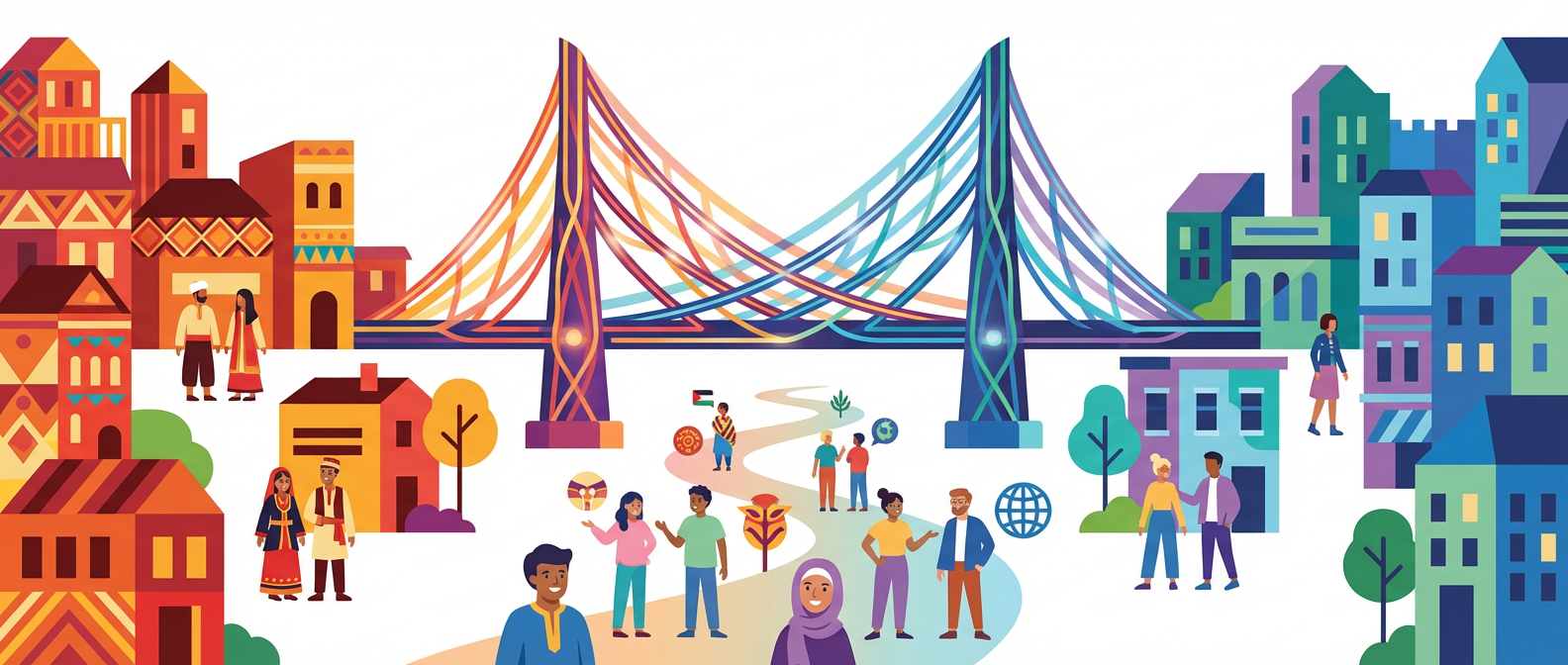
Map these spots on your phone or a piece of paper. Note when different communities naturally overlap. This isn’t about studying people like specimens, but about recognizing that cultural bridge-building often starts with expanding what’s already working rather than creating something entirely new.

The Translation Station: Beyond Google Translate
Real talk: language barriers are usually the first and biggest hurdle in diverse neighborhoods. But here’s what actually helps. Contact your local library system first. Most have free conversation groups, bilingual story times, and citizenship classes. They also loan out translation devices and often have staff who speak multiple languages.
For immediate needs, download the Microsoft Translator app. Unlike Google Translate, it works offline and handles real-time conversations better. Print out basic phrase cards for your building’s bulletin board in the three most common languages in your area. Include things like “water leak,” “package delivery,” and “block party.” Your city’s immigrant services office usually has these templates ready.
Connect with local high schools that offer language immersion programs. Students often need community service hours and can help with basic translation at neighborhood meetings. Win-win.
Food as Universal Language: The Potluck Protocol
Food works because it sidesteps the pressure of formal conversation while creating natural opportunities for connection. But random potlucks often fail because people don’t know the unspoken rules of other food traditions.
Start small with recipe swaps. Post a sign at your building’s mailboxes or neighborhood coffee shop: “Share your go-to comfort food recipe.” Include your own with clear instructions. This creates low-pressure cultural exchange without anyone feeling put on the spot to represent their entire heritage.
When organizing larger food gatherings, provide basic information about dietary restrictions and preparation methods. Many religious and cultural food practices have specific requirements that people appreciate you acknowledging upfront. Your local interfaith council or community center can help with guidelines.
Partner with existing community kitchens or cooking programs. The YWCA, community colleges, and religious organizations often have kitchen space and experience with these events. They also know how to handle food safety requirements that can intimidate first-time organizers.
Navigate the Meeting Maze: Making Civic Participation Actually Accessible
Here’s the harsh truth about most neighborhood meetings: they’re designed by and for people who already feel comfortable in formal meeting settings. If you want broader participation, you need to actively redesign the format.
First, timing matters enormously. Evening meetings exclude people working multiple jobs or without childcare. Weekend afternoon gatherings work better for many families. Offer childcare if your budget allows, or organize simultaneous kids’ activities.
Translation services aren’t just nice-to-have, they’re required by law for many official meetings. Contact your city clerk’s office about interpretation requirements and available resources. For informal neighborhood gatherings, recruit bilingual volunteers in advance and brief them on key topics.
Structure meetings differently. Instead of parliamentary procedure, try small group discussions with rotating facilitators. This reduces the intimidation factor and ensures more voices get heard. Provide written summaries in multiple languages afterward, not just meeting minutes in bureaucratic English.
The Resource Reality Check: What Actually Exists vs. What Should
Let’s be honest about the gaps. Many neighborhoods have cultural programming that looks great on paper but doesn’t actually serve the communities that live there. Before starting something new, audit what’s already available and ask who’s missing.
Contact your city’s community development office for their list of cultural programming and demographic data for your area. Compare the two. If your neighborhood is 40% Spanish-speaking but all the programming is in English, that’s useful information for advocacy.
Connect with established cultural organizations rather than trying to recreate their work. The Islamic Center, Korean Cultural Association, or Latino Community Center already have programming expertise and community trust. Ask how you can support or connect with their existing efforts rather than starting from scratch.
For immediate needs like emergency information or city services, create a neighborhood resource sheet with key phone numbers, office hours, and services available in different languages. Update it quarterly and post copies at laundromats, corner stores, and bus stops where people actually go.
The most effective cultural bridge-building happens when it’s woven into addressing practical neighborhood concerns like street safety, housing issues, or school quality. These shared challenges create natural opportunities for diverse neighbors to work together toward common goals. Start with what matters to everyone, and the cultural connections will follow.