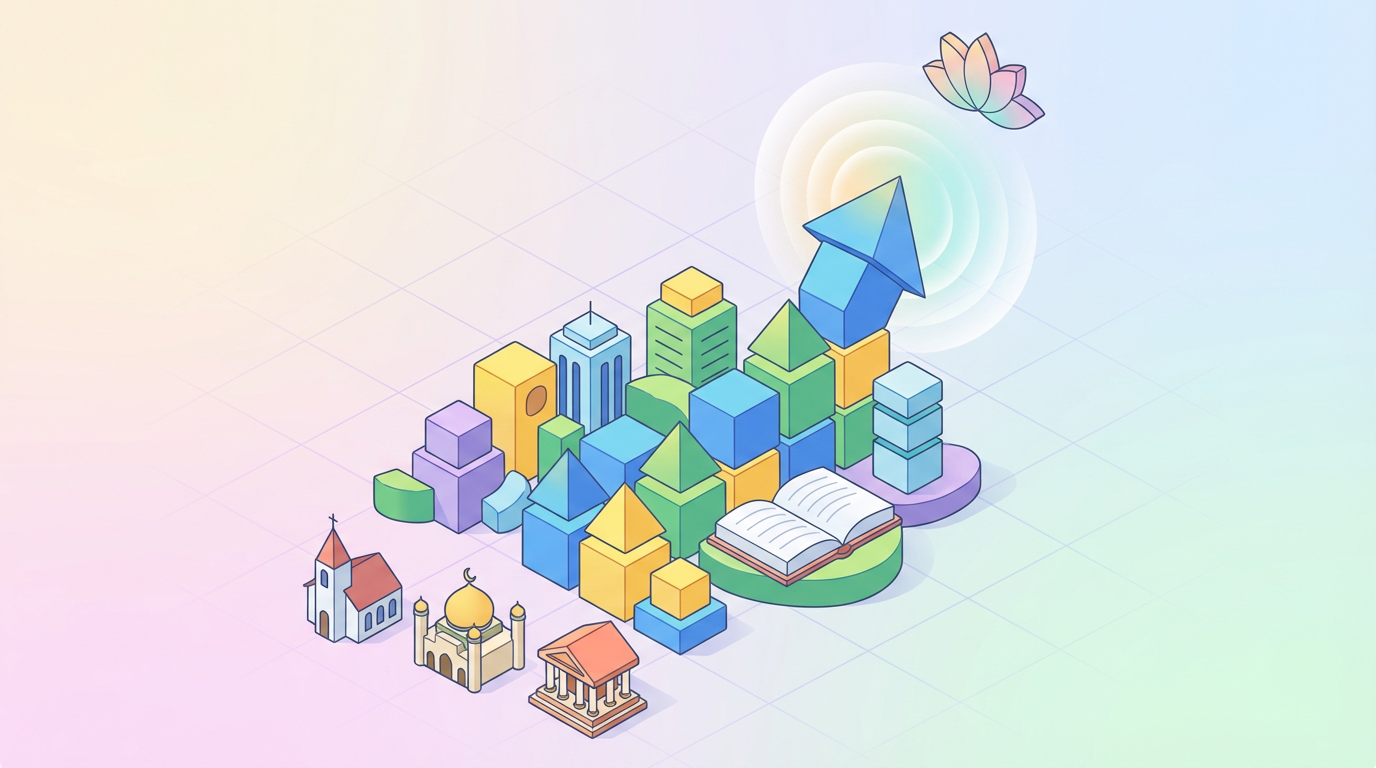
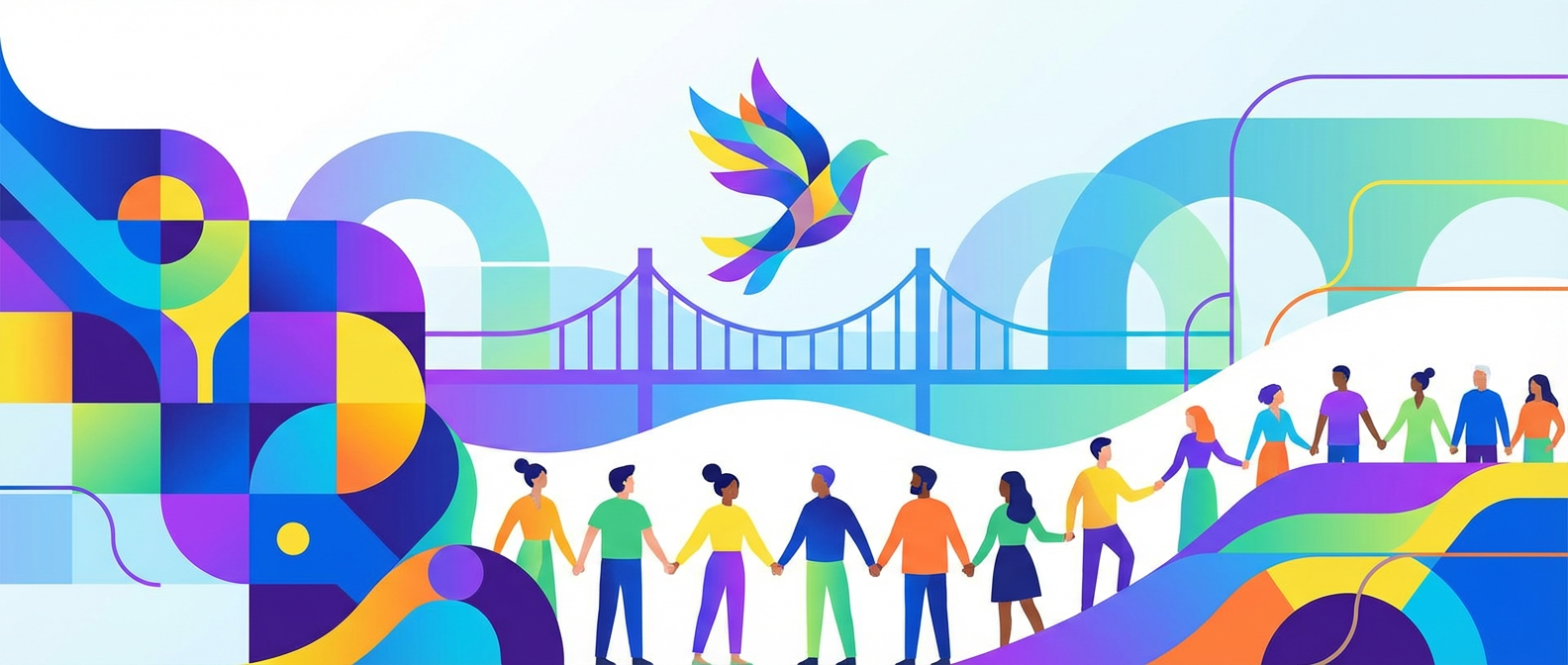
Your Neighborhood Safety Toolkit: Who to Call, When, and Why It Actually Works

Know Your Numbers (And When to Use Them)

Let’s start with the basics that somehow nobody talks about clearly. Yes, call 911 for emergencies. But what about everything else? Your city likely has a non-emergency police line for noise complaints, suspicious activity, or that car that’s been parked on Main Street for three weeks. Mine is programmed in my phone as “Police Non-Emergency” because I actually use it.
Your Neighborhood Safety Toolkit: Who to Call, When, and Why It Actually Works

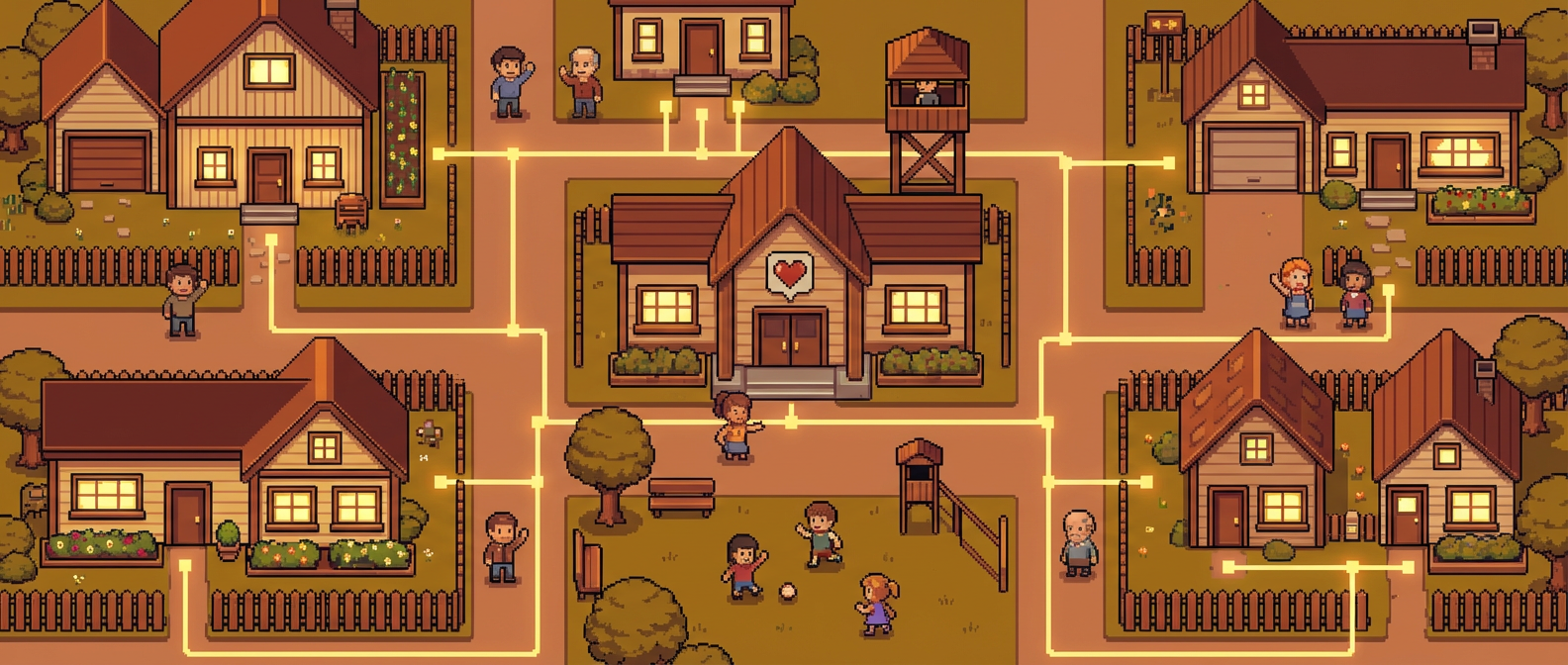
Here’s what I learned from sitting through those mind-numbing city council meetings: most cities have separate numbers for code enforcement (broken streetlights, potholes, abandoned properties), animal control, and mental health crisis teams. The mental health number really matters. When someone is clearly having a rough time but isn’t immediately dangerous, trained counselors show up instead of armed officers. It works better for everyone involved.

Pro tip from our neighborhood Facebook group: save these numbers in your phone now, not when you need them at 2 AM. Trust me on this. Also, most cities have apps where you can report issues with photos. I’ve gotten four streetlights fixed this year just by snapping pictures during my morning dog walks and uploading them. Takes maybe two minutes.

Illustration for Your Neighborhood Safety Toolkit: Who to Call, When, and Why It Actually Works

Build Your Everyday Safety Network

Real neighborhood safety happens in daylight, not just during emergencies. It starts with knowing who lives around you. I’m not suggesting you become best friends with everyone, but knowing names makes a difference. When Mrs. Chen didn’t pick up her newspaper for two days, her neighbor knocked. Turns out she’d fallen and couldn’t reach her phone. Simple awareness prevented a much worse situation.

Start small and practical. Share phone numbers with your immediate neighbors. Create a simple group text or email list for your block. We use ours to coordinate package deliveries, share security camera footage when needed, and organize the occasional street cleanup. Nothing fancy. Just basic connection.

The most effective safety tool we’ve put in place? A rotating schedule for evening walks. Different neighbors take turns walking the same route each night around 7 PM. We’re not trying to be vigilantes, just visible. People notice when the same person walks by their house regularly. It discourages opportunistic crime and helps us spot problems before they get worse.

Work With What Your City Already Has

Your city probably has programs you’ve never heard of. I discovered this by actually reading the municipal website, which I realize sounds about as fun as watching paint dry. But bear with me here.

Most cities have free home security assessments where trained officers walk through your property and suggest improvements. Ours includes checking sight lines, lighting, and door locks. They also loan out security cameras temporarily if you’re having specific problems. I had no clue this existed until I asked directly.

Many cities run Citizens Police Academy programs. These aren’t about becoming amateur cops, but understanding how policing actually works in your community. You learn about response protocols, community policing strategies, and how to report problems effectively. Plus you meet neighbors from other areas dealing with similar challenges.

Look for neighborhood liaison officers too. These are cops assigned to specific areas who focus on relationship-building rather than just responding to calls. Ours comes to our monthly neighborhood meetings and actually listens to concerns. When we explained that speeding on Oak Street was getting worse, he worked with traffic enforcement to add targeted patrols during school hours. Problem solved within two weeks.

Address the Problems Nobody Wants to Talk About

Let’s be realistic about what actually makes neighborhoods feel unsafe. It’s usually not random crime. It’s the house with the overgrown yard that’s clearly abandoned. The corner where people hang out and leave trash everywhere. The broken streetlight that’s been dark for six months.

These problems need different solutions than calling police. For abandoned properties, contact code enforcement and attend city council meetings. I know, I know. But bringing photos and specific addresses gets results. Our council put money toward vacant lot cleanup after three neighbors showed up with documentation and wouldn’t leave until someone listened.

For ongoing issues like drug activity or harassment, you need paper trails. Document everything with dates, times, and photos when safe to do so. Most cities require this for effective intervention. It feels tedious and bureaucratic, but it actually works. Eventually.

Sometimes the problem is lack of programming for kids and teens. Empty lots and bored teenagers create predictable problems. Our neighborhood partnered with the parks department to get basketball hoops installed at the elementary school. Simple solution, but it took six months of emails and showing up to meetings to make it happen.

When Official Channels Aren’t Enough

Sometimes you need to create your own solutions while working within the system. Our neighborhood formed a partnership with local businesses to improve evening lighting and foot traffic. The pizza place stays open later now, and the owner agreed to keep his front lights on all night. In exchange, we promote his business and help keep his storefront clean. Everyone wins.

We also organized volunteer days that combine safety improvements with community building. Last month we cleaned up the walking trail and installed reflective tape on posts with permission from parks and recreation. This weekend we’re painting over graffiti on the underpass. The city provided supplies after we submitted a formal volunteer application, which took exactly three tries to get approved.

For persistent problems, consider forming an official neighborhood watch group. Yes, they actually work when done right. The key is training through your local police department and focusing on observation and reporting, not confrontation. Our watch group helped solve a string of car break-ins by coordinating observations and security footage. Took about two months, but we got the guy.

The most important lesson I’ve learned from three years of neighborhood organizing? Start with one small, achievable goal. Fix that broken streetlight. Organize one cleanup day. Success builds momentum, and momentum brings more neighbors to the table. Safety isn’t just about crime prevention. It’s about creating communities where people look out for each other because they actually know each other’s names and stories.

What’s one safety concern in your neighborhood that you could tackle this month? Drop me a line and let’s figure out the first step together. I’ve got the city council meeting minutes if you need them, and trust me, I know how to navigate the bureaucracy by now.


The Tuesday Night Democracy We Used to Have

When Civic Life Had Guardrails

My neighbor Janet told me something last week that stopped me cold. Her grandmother used to take her to school board meetings in the 1970s. Not as punishment. As Tuesday night routine. “We’d sit in those orange plastic chairs,” Janet said, “and Grandma would explain what the budget numbers meant while I colored.” The meetings started at 7:30 and ended by 9. Parents brought kids because the agenda was predictable, the issues were local, and someone always had extra juice boxes.

That world is gone. Not because we stopped caring about schools, but because we dismantled the infrastructure that made caring manageable. Modern school board meetings run three hours minimum. They’re livestreamed but not archived in searchable ways. The budget documents require a master’s degree to decode. We professionalized civic participation right out of reach of the families who need it most.

This isn’t nostalgia for simpler times. It’s recognition that we had working systems and we broke them. The question is whether we can build better ones.

The Childcare Democracy Deficit

Here’s what nobody talks about when they complain about low voter turnout: most civic meetings happen at exactly the time working parents are doing bedtime routines. School board meets at 7. City council at 7:30. Planning commission at 6. The people most affected by decisions about schools, neighborhoods, and family services get shut out by scheduling alone.

I started tracking this after missing my fourth consecutive zoning meeting about the new apartment complex going up near my kid’s school. The meetings lasted past 10 PM. My babysitter costs $20 an hour. You do the math. That’s not apathy. That’s structural exclusion disguised as personal choice.

The city of Davenport, Iowa figured this out. They now offer free childcare at council meetings. Attendance doubled in six months. Not because people suddenly cared more, but because caring became logistically possible. Revolutionary concept: democracy works better when people can actually participate.

The Lost Art of Readable Government

My friend Mike runs a small business and coaches Little League. He wants to understand the proposed changes to commercial parking downtown. So he downloads the staff report. Forty-seven pages of consultant-speak about “multimodal transportation frameworks” and “activated streetscape zones.” Mike gives up on page three. The city loses input from someone who actually uses those streets daily.

We used to have local newspapers that translated this stuff. The reporter would call three people affected by the parking changes, explain what the proposal actually meant, and run a story you could read during lunch. Now we have government websites where public information goes to die in PDF dungeons.

This isn’t about dumbing things down. It’s about respecting people’s time and intelligence enough to communicate clearly. The city of Fort Collins publishes one-page summaries of complex issues in plain English. They include three questions residents should consider and contact info for whoever can answer them. Actual transparency that works.

Meeting People Where They Already Are

Last month, our neighborhood association tried something different. Instead of hosting another poorly attended evening meeting, we set up a booth at Saturday morning soccer games. Same agenda, different location. We talked zoning changes between goals and collected input on the playground renovation while kids burned off energy. We reached more families in three hours than we had in the previous six formal meetings combined.

Democracy doesn’t require special buildings or Robert’s Rules of Order. It requires showing up where people already spend time. The library. The farmers market. School pickup lines. Coffee shops with good wifi and patient baristas.

Seattle’s Department of Neighborhoods figured this out years ago. They bring city planners to community festivals, block parties, and youth sports events. Not with clipboards and surveys, but with simple questions: What works in your neighborhood? What doesn’t? What would you change? They get better input because they’re not asking people to add another meeting to impossibly full schedules.

Building Democracy That Fits Real Life

The solution isn’t to go back to 1975. It’s to build civic infrastructure that works for how families actually live in 2024. That means text alerts instead of buried website notices. Fifteen-minute neighborhood walks instead of two-hour hearings. Childcare at public meetings as standard practice, not special accommodation.

It means recognizing that the parent juggling three kids’ schedules has valuable perspective on traffic safety. The small business owner working two jobs understands economic development differently than the consultant who wrote the strategic plan. The teenager who actually uses the skate park knows what improvements would matter most.

Start small. Ask your city council to provide meeting summaries in plain English. Suggest rotating meeting times to accommodate different work schedules. Show up to one public hearing and notice who’s not in the room. Then figure out why.

Democracy isn’t a spectator sport, but it doesn’t have to be a second full-time job either. We can build systems that respect both the importance of civic engagement and the reality of modern family life. The first step is admitting we’ve made participation unnecessarily hard and committing to making it easier.

Next week, I’m attending the parks commission meeting about playground funding. They’re piloting a new format: thirty minutes max, childcare provided, plain-English summaries available afterward. Want to come see how it works? I’ll save you a seat and explain the budget numbers. Just like Janet’s grandmother used to do.

The Tuesday Morning Text That Changes Everything

When Your Neighbor’s Crisis Becomes Your Network’s Response

Maria’s text came in at 7:43 AM on a Tuesday: “Car broke down. Kids need to get to school. Anyone?” Within twenty minutes, three neighbors had offered rides, someone else was arranging a loaner car seat, and by Thursday, the local mutual aid network had connected her with a mechanic who worked on a sliding scale. This wasn’t charity. This was community infrastructure in action.

The Tuesday Morning Text That Changes Everything

Mutual aid networks work on a simple premise that feels radical in our individualistic culture: we take care of each other because that’s what neighbors do. Unlike traditional charity models that flow from those with resources to those without, mutual aid recognizes that we all have something to offer and we all need help sometimes. The person organizing grocery deliveries this month might be the one needing rides to medical appointments next month.

These networks have exploded across communities nationwide, particularly since 2020 when existing support systems cracked under pandemic pressure. But they’re not new. Immigrant communities, communities of color, and working-class neighborhoods have always practiced mutual aid. What’s changed is the scale, the intentionality, and increasingly, the recognition that these informal safety nets might be more reliable than formal ones.

Illustration for The Tuesday Morning Text That Changes Everything

The Mechanics of Care: How It Actually Works

The Riverside Mutual Aid Network started in a coffee shop when three parents realized they were all struggling with the same problem: affordable after-school care. Six months later, they’re a 200-person network coordinating everything from emergency childcare to tool sharing to prescription medicine exchanges. Their secret? A combination of simple organizing and smart coordination.

Most networks use basic group messaging apps or social media groups for immediate requests. Need a ride to the emergency room? Someone usually responds within minutes. But the real work happens in the background through working groups that focus on specific areas: food security, housing support, transportation, or skill sharing. These groups meet monthly, build relationships with local resources, and create systems that kick in fast when crises hit.

The beauty is in the redundancy. When the main organizer for food distribution went on vacation, three other people stepped in because they’d all been learning the systems together. When the usual location for the weekly supply swap became unavailable, the network had already identified backup spaces. This isn’t accidental. Good mutual aid networks deliberately build multiple pathways to achieve the same goal.

Resource sharing takes many forms beyond crisis response. Tool libraries let neighbors borrow everything from power drills to bread makers. Skill shares connect the person who knows car repair with someone who needs help with taxes. Buy Nothing groups circulate household items that might otherwise end up in landfills. These ongoing exchanges build the relationships that make emergency response possible.

Beyond Band-Aids: Building Long-Term Community Resilience

Sarah Chen learned about mutual aid when her neighbor started organizing grocery runs for elderly residents during the early pandemic lockdowns. Two years later, she’s coordinating housing advocacy for the network because she realized that helping individuals with rent emergencies, while important, wasn’t addressing the underlying affordability crisis affecting everyone.

This evolution from immediate aid to systemic change happens in networks that stick around long enough to see patterns. When the same families keep needing food assistance, networks start asking why wages are too low and food costs are rising. When transportation keeps coming up as a barrier, they start advocating for better bus service or organizing community car shares.

The most effective networks combine direct aid with advocacy work. They show up at city council meetings with data about community needs because they’re the ones fielding the requests for help. They know which intersections need stop signs because they’ve driven neighbors to the hospital after accidents there. They understand housing policy because they’ve helped families navigate eviction proceedings.

This dual approach strengthens both efforts. Direct aid builds trust and shows values in action. Advocacy work addresses root causes and prevents future crises. Together, they create communities that are more resilient and more powerful.

Getting Started: Your Tuesday Morning Text Network

Building a mutual aid network doesn’t require grant funding or nonprofit status. It starts with paying attention to what people in your community actually need and taking one small action. The parent struggling with after-school pickup, the elderly neighbor who mentions grocery shopping difficulties, the college student posting about needing interview clothes. These are organizing opportunities disguised as casual conversations.

Start by mapping existing resources and connections. Who in your neighborhood has useful skills? Which local businesses might be willing to offer discounts or donate surplus goods? What organizations are already doing related work that you could support rather than duplicate? Most communities have more resources than people realize. They just need better coordination.

Technology helps, but relationships matter more. A group text among five neighbors can accomplish remarkable things if those neighbors trust each other and communicate clearly about boundaries and expectations. As networks grow, they can add structure: regular meeting times, task rotation schedules, agreements about decision-making processes.

Successful networks establish clear principles early: mutual aid rather than charity, community members leading rather than outside experts, transparency about resources and decision-making, and recognition that this work is ongoing rather than temporary. These principles prevent networks from repeating the power dynamics they’re trying to change.

The Ripple Effects: What Changes When Communities Care

Six months into organizing with her local network, Alex noticed something unexpected: she felt less anxious about her own economic security. Not because her financial situation had improved, but because she now knew dozens of people who would help her problem-solve if something went wrong. This psychological shift happens frequently in mutual aid networks. Participants report feeling more connected, more confident, and more capable of handling challenges.

Networks change neighborhoods in visible ways too. Streets where neighbors actively support each other see more community gardens, more informal child supervision, more collective responses to problems like speeding traffic or inadequate lighting. Social connection creates physical safety and environmental improvements.

Local businesses often benefit when residents have stronger support systems. People with reliable childcare can attend community meetings and shop locally. Families with transportation support can access services in their own neighborhoods rather than traveling elsewhere. Economic stability spreads through networks as people share job leads, bulk-buy groceries, and provide services for each other.

Perhaps most importantly, mutual aid networks normalize asking for and offering help. They create cultures where acknowledging needs isn’t shameful and sharing resources isn’t exceptional. This cultural shift makes communities more responsive to all kinds of challenges, from individual crises to collective emergencies like extreme weather events or economic disruptions.

The next time you see a neighbor struggling with something manageable, consider sending that Tuesday morning text to a few people you trust. You might be surprised how quickly a simple question about rides or groceries turns into the foundation for a stronger community. The infrastructure for care often exists already. It just needs someone to start connecting the pieces.

Building Power Block by Block: Your Guide to Community Networks That Actually Work

The Surge That Stuck Around

When the pandemic hit in 2020, neighbors who had never spoken suddenly found themselves organizing food deliveries, prescription runs, and childcare swaps. These spontaneous mutual aid networks weren’t just crisis responses. They were proof that communities could solve problems faster and more effectively than distant institutions.

Six years later, many of these networks are still going strong. They’ve grown into sophisticated organizing forces that tackle housing justice, food access, and local governance. The lesson? Crisis shows what’s possible when people stop waiting for permission to help each other.

What makes these networks different from traditional nonprofits or government programs is their horizontal structure. No one person or organization calls all the shots. Decisions come from collective need rather than executive mandate. This isn’t just feel-good organizing. It’s a practical approach that gets results because the people closest to problems design the solutions.

The Digital Backbone of Grassroots Power

Modern community organizing runs on surprisingly simple tech tools. Platforms like Slack help neighborhoods communicate quickly. Discord servers host strategy sessions and skill-shares. Airtable databases track everything from volunteer availability to policy campaign targets.

These tools enable distributed coordination without centralized control. A tenant organizing campaign can coordinate across multiple buildings using shared spreadsheets. Food distribution networks can match volunteers with delivery routes in real time. The technology amplifies human connection rather than replacing it.

The key insight here is accessibility. You don’t need custom software or expensive platforms to organize effectively. Most successful networks use free or low-cost tools that anyone can learn. Big Door Brigade mutual aid groups show how simple digital coordination can support complex community work.

Growing Food and Building Power

Food sovereignty movements are transforming vacant lots into community assets. Urban gardens, food forests, and cooperative groceries challenge the industrial food system while building neighborhood resilience. These aren’t just environmental projects. They’re exercises in collective ownership and democratic decision-making.

Community land trusts take this principle further by removing land from speculative markets permanently. Neighborhoods purchase property collectively, ensuring long-term affordability and community control. This model is expanding rapidly in cities where gentrification threatens longtime residents.

The beauty of food and land projects is their tangible impact. People can see, taste, and walk through the results of their organizing. This concrete progress builds confidence for taking on bigger challenges like housing policy or municipal budgets. Success breeds success in community organizing.

Housing Justice Gets Strategic

Rising rents and eviction threats have accelerated tenant organizing across major metropolitan areas. Building-by-building campaigns are scaling up into citywide coalitions with real political clout. Tenants are learning that collective action produces results that individual complaints cannot achieve.

These campaigns combine immediate mutual aid with long-term policy advocacy. Tenant unions provide legal support and emergency assistance while simultaneously pushing for rent stabilization and tenant protection laws. This dual approach addresses urgent needs while building power for systemic change.

Digital organizing tools prove especially valuable in housing campaigns. Tenants can document maintenance issues, coordinate rent strikes, and share legal resources through secure platforms. Shelterforce community development coverage shows how technology supports rather than replaces face-to-face relationship building in housing justice work.

Democracy Gets Hands-On

Participatory budgeting programs now operate in over 1,500 cities worldwide, giving residents direct control over public spending decisions. Communities propose projects, debate priorities, and vote on budget allocations. This isn’t symbolic consultation. It’s real democracy with real money attached.

These programs work because they combine civic education with material stakes. Residents learn about municipal finance while deciding whether their neighborhood needs better streetlights or a new playground. The process builds both individual capacity and collective power.

Local organizing increasingly succeeds where national party politics stagnates. City councils respond to coordinated constituent pressure in ways that federal representatives often cannot or will not. This creates opportunities for communities to win concrete improvements in their daily lives while building organizing skills for bigger campaigns.

Your Next Steps

Starting or joining community organizing work requires no special credentials or prior experience. Most networks welcome new participants and provide training as you contribute. Look for mutual aid groups, tenant organizations, or participatory budgeting initiatives already active in your area.

If nothing exists yet, think about what problems your neighbors discuss most frequently. Housing costs? Food access? Public safety? Transportation? Start by hosting informal conversations about shared concerns. Solutions often emerge from collective problem identification.

Remember that effective organizing balances immediate assistance with long-term power building. Helping someone navigate an eviction notice today creates trust for broader housing justice campaigns tomorrow. Community organizing works because it meets people where they are while expanding what they believe is possible.

The networks described here aren’t abstractions. They’re operating in communities right now, proving that ordinary people can create extraordinary change when they organize together. The question isn’t whether community organizing works. It’s whether you’re ready to help make it work in your neighborhood.

Faith in Transition: How Religious Communities Navigate America’s Secular Shift

The Numbers Tell a Story of Transformation

America’s religious landscape is changing faster than many realize. Pew Research religion data shows that more than three in ten American adults now claim no religious affiliation. That’s a huge jump from just 16 percent in 2007. We’re watching one of the biggest cultural shifts of our time unfold.

But the story isn’t just about decline. While traditional religious participation drops, new forms of spiritual community pop up. The fastest-growing religious self-identification isn’t atheism or agnosticism. It’s “spiritual but not religious.” This matters because it suggests Americans aren’t giving up on meaning and connection. They’re just redefining what those look like.

These changes create real tensions in communities across the country. Some people see secularization as freedom from outdated institutions. Others view it as losing the moral foundations that once held society together. Both sides have valid points, and both miss important details.

The Infrastructure No One Talks About

Religious institutions provide social infrastructure that secular alternatives struggle to match. Churches, synagogues, mosques, and temples don’t just offer worship services. They run food banks, organize disaster relief, provide childcare, and create spaces for grief and celebration. They offer what sociologist James Coleman called “social capital” – the networks of relationships that make communities actually work.

This infrastructure operates on a scale that surprises many secular Americans. Faith communities mobilize volunteers, coordinate services, and maintain facilities that would otherwise require major public funding or private investment. When religious institutions close or shrink, these services often disappear completely instead of transferring to secular organizations.

The disagreement here isn’t just philosophical. It’s practical. How do communities maintain essential services as traditional providers decline? Some argue that government or nonprofit organizations should fill the gap. Others insist that faith-based approaches offer unique advantages in building trust and motivating volunteers. Neither side fully grasps the complexity of transitioning social infrastructure built over generations.

Progressive Faith Finds New Ground

While conservative denominations lose members, progressive religious communities often grow. These congregations emphasize social justice, environmental stewardship, and inclusive theology. They attract both traditional believers and people seeking spiritual community without fundamentalist doctrine.

This shift creates real conflicts within religious traditions. Progressive and conservative wings of the same denomination often disagree not just on specific issues, but on what religious community is actually for. Conservatives typically emphasize theological orthodoxy and moral instruction. Progressives focus on social action and spiritual exploration. Religion News Service regularly covers these denominational battles.

The result is a religious landscape that’s more polarized but also more diverse. Some communities lean heavily into traditional teachings and practices. Others embrace radical inclusivity and social activism. Both claim authentic religious identity, yet they often seem to live in completely different spiritual universes. This diversity reflects broader cultural divisions but also creates multiple entry points for spiritual seeking.

Digital Faith and Real Connection

The pandemic sped up changes already happening in how people experience religious community. Virtual worship services attracted participants who might never enter a physical sanctuary. Online religious communities formed around shared interests rather than geography. Surprisingly, about 40 percent of pandemic-era online religious participation continues even as in-person services resume.

Digital faith communities challenge traditional assumptions about religious belonging. Geography no longer determines which congregation someone joins. Shy individuals find their voice in chat rooms. People with disabilities access services previously unavailable to them. Global connections form around shared spiritual interests.

Yet critics argue that digital connection cannot replace physical presence in religious practice. They point to the importance of embodied ritual, face-to-face community support, and shared physical space in spiritual formation. The debate reflects broader questions about whether online relationships can provide the same social benefits as in-person connections. Religious communities, like secular organizations, struggle to balance digital accessibility with traditional community building.

Unlikely Partnerships for Common Good

Maybe nowhere do religious communities show their continued relevance more clearly than in interfaith social action coalitions. These partnerships bring together diverse faith traditions around shared concerns like affordable housing, immigration reform, and poverty reduction. They use the organizational capacity and moral authority of religious institutions while moving past particular theological differences.

These coalitions succeed partly because they focus on practical outcomes rather than doctrinal agreement. A Catholic parish, Reform synagogue, and progressive Protestant church might disagree about scripture interpretation but unite around homeless services. Islamic and Christian organizations collaborate on refugee resettlement despite theological differences. These partnerships show religion’s continued capacity to motivate civic engagement.

However, secular advocates sometimes question whether faith-based social action truly benefits everyone or primarily advances religious agendas. They worry about proselytizing in service delivery or discrimination based on religious beliefs. Religious participants counter that faith motivation enhances rather than compromises their community service. These tensions require careful navigation but don’t negate the effectiveness of interfaith collaboration.

The future of religious communities in secular America will likely involve continued adaptation and experimentation. Traditional institutions must respond to changing spiritual needs while maintaining their core mission. Secular communities must decide whether and how to replace the social infrastructure that religious decline might eliminate. Most importantly, all communities must find ways to bridge differences in pursuit of shared goals. How do you see these changes affecting your own community? What partnerships or innovations offer the most promise for addressing local challenges?

Faith Communities Navigate New Realities in America’s Secular Shift

The Numbers Tell a Complex Story

American religious life is going through its biggest transformation in generations. The religiously unaffiliated now represent more than 30 percent of U.S. adults, nearly doubling from 16 percent in 2007. This massive shift has sparked intense debate about the role of faith communities in an increasingly secular society.

Faith Communities Navigate New Realities in America's Secular Shift
Faith Communities Navigate New Realities in America’s Secular Shift

But here’s the thing: beneath these stark statistics lies a more complicated reality. While traditional religious affiliation declines, the fastest-growing spiritual category is “spiritual but not religious.” People aren’t necessarily abandoning the sacred. They’re redefining their relationship with it.

This creates real friction between those who see declining religious participation as cultural decay and others who view it as healthy liberation from institutional constraints. I think both perspectives miss important developments reshaping how Americans practice faith and build community.

Illustration for Faith Communities Navigate New Realities in America's Secular Shift
Illustration for Faith Communities Navigate New Realities in America’s Secular Shift

The Infrastructure Debate

Religious communities provide social infrastructure that secular alternatives struggle to replicate. Houses of worship offer regular gathering spaces, volunteer networks, and support systems that operate independently of government funding or corporate interests. When churches, synagogues, and mosques close, communities often lose more than places of worship.

Critics argue this infrastructure comes with strings attached. Religious social services may exclude LGBTQ+ individuals or require participation in religious activities. Secular advocates push for publicly funded alternatives that help everyone without ideological prerequisites.

Defenders counter that faith-based organizations bring unique assets to community work. Their volunteers are motivated by deep convictions, not just civic duty. Their long-term presence in neighborhoods creates trust and continuity that government programs and nonprofits often can’t match.

This disagreement reflects broader questions about pluralism and public life. Should communities rely on institutions that exclude some residents based on beliefs or identity? Can secular organizations generate the same level of sustained commitment that religious conviction produces? These aren’t easy questions.

Progressive Growth Amid Conservative Decline

The religious landscape isn’t uniformly shrinking. Progressive religious spaces are expanding as conservative denominations lose members. Mainline Protestant churches embracing LGBTQ+ inclusion, racial justice, and environmental activism attract younger adults seeking spiritual community without social conservatism.

This trend frustrates religious conservatives who view progressive theology as compromising core doctrines. They argue that churches abandoning traditional teachings lose their prophetic voice and become indistinguishable from secular social justice organizations. Why attend church for activism you can find elsewhere?

Progressive religious leaders respond that adapting theology to contemporary moral insights demonstrates faithfulness to core spiritual principles. They see conservative churches’ emphasis on doctrinal purity as missing the forest for the trees. According to Pew Research religion data, younger Americans increasingly associate Christianity with political conservatism rather than spiritual transcendence.

This theological divide mirrors broader cultural conflicts about tradition versus change. Both sides claim authentic religious practice while viewing the other as distortion. These competing visions of faithful community reflect deeper disagreements about authority, interpretation, and the relationship between sacred texts and social evolution.

Digital Faith and Pandemic Adaptations

COVID-19 accelerated religious communities’ digital transformation. Online church services retained about 40 percent of attendance even after in-person worship resumed. This hybrid model challenges traditional assumptions about religious community requiring physical presence.

Some clergy celebrate expanded reach and accessibility. Homebound elderly members, traveling professionals, and geographically isolated believers can participate fully. Online platforms enable global faith communities that transcend local boundaries and denominational restrictions.

Others worry about losing essential elements of religious experience. Can virtual communion carry the same meaning as sharing bread and wine in person? Do online prayer circles generate the same spiritual energy as gathering in sacred spaces? These questions reveal real tensions about embodiment, presence, and authentic religious practice.

The debate extends beyond theology to practical concerns. Will digital-native younger generations ever prioritize physical religious community? How do faith leaders maintain congregational cohesion across digital and physical spaces? These challenges force religious communities to reconsider basic assumptions about how spiritual formation occurs.

Interfaith Cooperation on Shared Challenges

Religious communities increasingly collaborate on social issues despite theological differences. Interfaith coalitions lead initiatives addressing housing inequality, immigration reform, and anti-poverty programs. These partnerships demonstrate religion’s continued public relevance while avoiding sectarian conflicts.

This cooperation faces resistance from multiple directions. Religious purists worry that interfaith work dilutes distinctive theological commitments. Secular activists question whether religious organizations should influence public policy at all. Both perspectives reflect legitimate concerns about pluralism and power.

Interfaith advocates argue that shared moral commitments transcend doctrinal differences. Climate change, economic inequality, and social justice affect everyone regardless of religious affiliation. Working together amplifies religious communities’ public voice while respecting diverse theological foundations.

According to Religion News Service, these coalitions often achieve policy outcomes that individual denominations can’t accomplish alone. Their success challenges assumptions about religious conflict being inevitable while raising questions about maintaining distinct religious identities within cooperative frameworks.

The future of American religious life likely depends on communities’ ability to navigate these tensions constructively. Rather than choosing between secular progress and religious tradition, maybe the path forward involves honest dialogue about how both can contribute to human flourishing. What role should faith communities play in your neighborhood’s future?

The Spaces We’re Losing: How Faith Communities Still Anchor Our Neighborhoods

The Numbers Tell a Story We’re Still Learning to Read

Walk through most American neighborhoods today and you’ll notice something. The buildings are still there. Churches, synagogues, mosques, temples. But fewer cars fill their parking lots on weekends. Fewer voices echo from their halls during the week.

The shift shows up starkly in recent Pew Research religion data. Adults claiming no religious affiliation now represent more than 30 percent of the population, nearly doubling from 16 percent in 2007. That’s not just a statistic. It’s the story of millions of people stepping away from institutions that once structured their weeks, their friendships, their sense of place.

But here’s what the numbers don’t capture immediately. When people leave religious communities, they don’t just lose access to worship. They lose something harder to replace: the dense network of relationships, mutual aid, and shared responsibility that made these spaces community anchors for generations.

What Actually Happens When the Lights Go Out

Consider what a typical congregation provides beyond Sunday services. Free meeting space for neighborhood groups. Volunteer networks that organize during crises. Food banks that know their clients by name. After-school programs where kids from different families learn they belong to something larger than their households.

These functions don’t emerge automatically in secular communities. They require intention, funding, and most importantly, the kind of sustained commitment that comes from shared values and regular gathering. When congregations close or shrink, the social infrastructure they provided often vanishes with them, leaving gaps that government programs and nonprofit organizations struggle to fill with the same depth and consistency.

The loss hits hardest in communities that can least afford it. Working-class neighborhoods where churches provided not just spiritual guidance but practical support. Immigrant communities where houses of worship were cultural bridges and mutual aid societies. Rural areas where the local church was often the only institution offering social services between county lines.

The Surprising Places Where Faith Communities Are Growing

Yet the story isn’t simply one of decline. While many conservative denominations report shrinking membership, progressive religious communities are expanding. These congregations attract people seeking spiritual community without rigid doctrine, social justice work grounded in moral tradition, and inclusive spaces where doubt and questioning are welcomed rather than discouraged.

The pandemic accelerated another shift that’s reshaping religious participation. Online church communities that formed during lockdowns have retained about 40 percent of their digital attendance even after in-person services resumed. For many, virtual participation offers accessibility that physical buildings couldn’t provide, whether due to disability, work schedules, or geographic isolation.

Perhaps most significantly, the fastest-growing religious self-identification isn’t atheism or agnosticism. It’s “spiritual but not religious.” These Americans seek meaning, connection, and transcendence outside traditional institutional frameworks. Some find it in meditation groups, nature-based practices, or eclectic spiritual communities that blend traditions. Others create their own networks of meaning-making and mutual support.

Where Faith Communities Still Lead

Even as individual religious affiliation declines, interfaith coalitions have emerged as powerful forces for community change. On housing policy, these partnerships bring moral authority to policy debates that secular advocacy groups sometimes struggle to achieve. Immigration rights organizations find their most effective local allies are often congregations willing to provide sanctuary, legal aid, and family support regardless of members’ documentation status.

Anti-poverty work particularly benefits from faith community involvement. Religious institutions bring volunteer networks, existing relationships with vulnerable populations, and moral frameworks that sustain long-term commitment to difficult work. According to Religion News Service reporting, interfaith coalitions consistently punch above their weight in local organizing because they combine practical resources with the moral clarity that motivates sustained action.

These collaborations succeed because they focus on shared values rather than shared beliefs. Jews, Christians, Muslims, and secular humanists may disagree about theology, but they often align on practical questions about human dignity, community responsibility, and justice.

Building Community Infrastructure for a Secular Age

The challenge facing American communities isn’t primarily theological. It’s architectural, in the broadest sense. How do we build social infrastructure that provides the benefits religious communities once offered without requiring shared religious belief?

Some experiments are emerging. Community land trusts that prioritize neighbor relationships alongside affordable housing. Mutual aid networks that organize around shared geography rather than shared faith. Neighborhood councils that create regular gathering spaces for local decision-making and relationship-building.

But these secular alternatives often struggle with sustainability. Religious communities persist across generations because they’re built on something deeper than shared interests or even shared values. They’re built on shared stories about ultimate meaning, which create the kind of commitment that survives disagreement, hardship, and leadership changes.

The most successful secular community organizations seem to understand this. They invest heavily in ritual, storytelling, and practices that create emotional bonds between members. They recognize that sustainable community requires more than efficient service delivery. It requires belonging.

As our neighborhoods continue changing, the question isn’t whether we’ll preserve religious institutions exactly as they were. Many won’t survive, and perhaps shouldn’t. The question is whether we’ll learn from what made them effective community anchors and build new institutions that work for a more diverse, secular age. The spaces we create next will shape how Americans relate to each other for generations. That’s work worth getting right.

The Organising Story: Anti-hate activism and counter-extremism work

Here is the thing I keep coming back to on this. The topic of anti-hate activism and counter-extremism work rewards more careful attention than the typical coverage provides, and the reason is not complicated once you know where to look.

What I find most interesting, and I think you will too, when viewed through the lens of case study, is Southern Poverty Law Center tracking over 1,200 active hate groups in US. The practical read of the situation is also the more accurate one once you examine what the evidence actually shows.

The Organising Story: Anti-hate activism and counter-extremism work

The Study: Setting the Terms

Hate crime reporting at 30-year highs across US and Western Europe isn’t just a data point in the story of anti-hate activism and counter-extremism work. It’s the structural condition that makes everything else in this analysis legible. Context like this doesn’t age quickly. The conditions that produced it have been building for years, and the convergence is what makes the current moment distinct from previous moments that looked similar from a distance.

Southern Poverty Law Center tracking over 1,200 active hate groups in US.

Online deradicalisation programmes showing mixed but improving results. Netz gegen Nazis anti-fascism has been tracking this dimension consistently.

What makes this moment worth examining carefully isn’t the novelty but the confirmation. The underlying dynamics have been visible for some time. What’s new is that they have reached a threshold where ignoring them requires active effort rather than simple inattention. That threshold crossing is the event, not the underlying movement that produced it.

And community-based intervention is more effective than law enforcement alone in studies. This is part of that same picture. These elements don’t exist in separate silos. They’re reinforcing conditions in the same structural shift.

The Organising Story: The Analysis

Community-based intervention being more effective than law enforcement alone in studies is where the analysis gets more specific. The surface reading is accessible and not wrong, but it misses the mechanism. The mechanism is where the practical insight lives. What I find most interesting, and I think you will too, is the mechanism: Muslim Jewish Christian coalitions finding common ground against far-right. Understanding it changes what you do with the information.

Social media platforms are under pressure to improve algorithmic amplification controls.

The skeptical counterargument deserves honest engagement: prior moments with similar surface characteristics didn’t produce the outcomes that seemed logical at the time. That history is real. What’s different now is social media platforms under pressure to improve algorithmic amplification controls. This isn’t a minor variable. It’s the infrastructure condition that previous cycles lacked. Infrastructure changes tend to be persistent in ways that sentiment-driven changes are not. SPLC hate group monitoring is one source tracking this dimension with the rigour it requires.

There’s also a distributional question that often goes unaddressed in coverage of anti-hate activism and counter-extremism work: who captures the value created by these shifts, and who absorbs the disruption costs? The big picture can be positive while the distribution is uneven in ways that matter enormously to specific participants. Keeping that distributional lens in view is part of reading the situation clearly rather than simply optimistically.

Implications: What This Means If You Care About Community campaigns

The implications of anti-hate activism and counter-extremism work extend beyond the immediate context. Hate crime reporting at 30-year highs across US and Western Europe, combined with the structural conditions described above, creates a situation where adjacent fields, decisions, and communities are affected in ways that aren’t always visible from inside the primary story. The second-order effects are frequently more important than the first-order ones. They’re where careful attention pays the highest returns.

The warmth of a town hall that actually works.

The practical question isn’t whether to engage with these dynamics but how. The answer depends on context, on what role you occupy relative to anti-hate activism and counter-extremism work and what your actual decision horizon is. But the first step is the same regardless: accurate understanding of what’s actually happening rather than what the most available narrative says is happening.

A few concrete observations are worth separating out from the broader analysis. First: Southern Poverty Law Center tracking over 1,200 active hate groups in US isn’t a temporary condition. It’s a new baseline. Second: Muslim Jewish Christian coalitions finding common ground against far-right suggests that the adjustment period isn’t over. Third, and most important: the organisations and individuals who are treating the current moment as a new steady state rather than a transition are making a categorisation error that will be costly to unwind later.

The Case Against: What the Critics Get Right

Intellectual honesty requires acknowledging the strongest counterarguments, not just the weakest ones. The case against the optimistic reading of anti-hate activism and counter-extremism work isn’t trivial. There are structural vulnerabilities in the current picture that deserve direct engagement rather than dismissal.

The most serious objection is the one about sustainability. Online deradicalisation programmes showing mixed but improving results can be read not as a foundation but as a ceiling. A point beyond which growth becomes self-limiting because of the very dynamics that produced it. If the current state has already incorporated most of the available supply of early-adopting participants, the remaining growth curve may be structurally shallower than the recent trajectory implies.

Social media platforms are under pressure to improve algorithmic amplification controls.

Looking Forward

The trajectory here is clearer than the pace. Making predictions about when specific thresholds will be crossed is genuinely difficult, and anyone claiming precision about timelines should be treated with scepticism. But the direction, toward hate crime reporting at 30-year highs across US and continued development of the conditions described above, is supported by the evidence in a way that isn’t contingent on a single variable going right.

Social media platforms under pressure to improve algorithmic amplification controls is the variable to watch as the leading indicator. Historical patterns suggest it moves first, with broader metrics following with some lag. This doesn’t make the outcome certain, but it makes it legible. And legibility is the precondition for good decisions.

Three questions are worth holding as the story develops. First: are the structural conditions that enabled the current state durable, or are they cyclical? Second: who is positioned to benefit from the next phase, and does that differ materially from who benefited in the current phase? Third: what would a clean falsification of the optimistic thesis look like, and is there any evidence of that signal emerging? These questions don’t need answers today, but having asked them changes what you notice in the months ahead.

That’s my read. I want to hear yours.

What worked in your own organising that you wish was better documented?

Religious and faith communities in a secular age — An Honest Case

Here is the thing I keep coming back to on this. The topic of religious and faith communities in a secular age rewards more careful attention than the typical coverage provides, and the reason is not complicated once you know where to look.

What I find most interesting, and I think you will too, is faith communities providing social infrastructure that secular alternatives can’t replace. The practical read of the situation is also the more accurate one once you examine what the evidence actually shows.

The Study: Setting the Terms

The religiously unaffiliated now make up over 30 percent of US adults, up from 16 percent in 2007. This isn’t just a data point in the story of religious and faith communities in a secular age, it’s the structural condition that makes everything else in this analysis make sense. Context like this doesn’t age quickly. The conditions that produced it have been building for years, and the convergence is what makes the current moment distinct from previous moments that looked similar from a distance.

Faith communities are providing social infrastructure that secular alternatives can’t replace.

Progressive religious spaces are growing as conservative denominations shrink. Religion News Service has been tracking this consistently.

What makes this moment worth examining carefully isn’t the novelty but the confirmation. The underlying dynamics have been visible for some time. What’s new is that they’ve reached a threshold where ignoring them requires active effort rather than simple inattention. That threshold crossing is the event, not the underlying movement that produced it.

Online church communities formed during COVID are retaining 40 percent of attendance. This is part of that same picture. These elements don’t exist in separate silos, they’re reinforcing conditions in the same structural shift.

The Organising Story: The Analysis

Online church communities retaining 40 percent of attendance is where the analysis gets more specific. The surface reading is accessible and not wrong, but it misses the mechanism. And the mechanism is where the practical insight lives. What I find most interesting is that interfaith coalitions are leading on housing, immigration, and anti-poverty work. Understanding this mechanism changes what you do with the information.

“Spiritual but not religious” has become the largest growing self-identification category.

The skeptical counterargument deserves honest engagement. Previous moments with similar surface characteristics didn’t produce the outcomes that seemed logical at the time. That history is real. What’s different now is this “spiritual but not religious” growth, which isn’t a minor variable. It’s the infrastructure condition that previous cycles lacked. Infrastructure changes tend to stick around in ways that sentiment-driven changes don’t. Pew Research religion data is one source tracking this with the rigor it requires.

There’s also a distributional question that often goes unaddressed in coverage of religious and faith communities in a secular age: who captures the value created by these shifts, and who absorbs the disruption costs? The aggregate picture can be positive while the distribution is uneven in ways that matter enormously to specific participants. Keeping that distributional lens in view is part of reading the situation clearly rather than simply optimistically.

Implications: What This Means If You Care About Community campaigns

The implications extend beyond the immediate context. The religiously unaffiliated now making up over 30 percent of US adults, combined with the structural conditions described above, creates a situation where adjacent fields, decisions, and communities get affected in ways that aren’t always visible from inside the primary story. The second-order effects are frequently more important than the first-order ones. They’re where careful attention pays the highest returns.

Think about the warmth of a town hall that actually works.

The practical question isn’t whether to engage with these dynamics but how. The answer depends on context, on what role you occupy relative to religious and faith communities in a secular age and what your actual decision horizon is. But the first step is the same regardless: accurate understanding of what’s actually happening rather than what the most available narrative says is happening.

A few concrete observations are worth separating out from the broader analysis. First: faith communities providing irreplaceable social infrastructure isn’t a temporary condition, it’s a new baseline. Second: interfaith coalitions leading on housing, immigration, and anti-poverty work suggests that the adjustment period isn’t over. Third, and most important: the organizations and individuals who are treating the current moment as a new steady state rather than a transition are making a categorization error that will be costly to unwind later.

The Case Against: What the Critics Get Right

Intellectual honesty requires acknowledging the strongest counterarguments, not just the weakest ones. The case against the optimistic reading of religious and faith communities in a secular age isn’t trivial. There are structural vulnerabilities in the current picture that deserve direct engagement rather than dismissal.

The most serious objection is about sustainability. Progressive religious spaces growing as conservative denominations shrink can be read not as a foundation but as a ceiling, a point beyond which growth becomes self-limiting because of the very dynamics that produced it. If the current state has already incorporated most of the available supply of early-adopting participants, the remaining growth curve may be structurally shallower than the recent trajectory implies.

The “spiritual but not religious” category remains the largest growing self-identification.

Looking Forward

The trajectory here is clearer than the pace. Making predictions about when specific thresholds will be crossed is genuinely difficult, and anyone claiming precision about timelines should be treated with skepticism. But the direction toward more religiously unaffiliated Americans and continued development of the conditions described above is supported by evidence in a way that doesn’t depend on a single variable going right.

The “spiritual but not religious” category is the variable to watch as the leading indicator. Historical patterns suggest it moves first, with broader metrics following with some lag. This doesn’t make the outcome certain, but it makes it readable. And readability is the precondition for good decisions.

Three questions are worth holding as the story develops. First: are the structural conditions that enabled the current state durable, or are they cyclical? Second: who is positioned to benefit from the next phase, and does that differ materially from who benefited in the current phase? Third: what would a clean falsification of the optimistic thesis look like, and is there any evidence of that signal emerging? These questions don’t need answers today, but having asked them changes what you notice in the months ahead.

That’s my read. I want to hear yours.

What worked in your own organizing that you wish was better documented?

Anti-hate activism and counter-extremism work: Community conflict journalism

Here is the thing I keep coming back to on this. The topic of anti-hate activism and counter-extremism work rewards more careful attention than the typical coverage provides, and the reason is not complicated once you know where to look.

What I find most interesting, and I think you will too, when viewed through the lens of community conflict journalism, is Southern Poverty Law Center tracking over 1,200 active hate groups in US. The fair to all parties read of the situation is also the more accurate one once you examine what the evidence actually shows.

Anti-hate activism and counter-extremism work: Community conflict journalism

The Journalism: Setting the Terms

Hate crime reporting at 30-year highs across US and Western Europe isn’t just a data point in the story of anti-hate activism and counter-extremism work. It’s the structural condition that makes everything else in this analysis make sense. Context like this doesn’t age quickly. The conditions that produced it have been building for years, and the convergence is what makes the current moment different from previous moments that looked similar from a distance.

Southern Poverty Law Center tracking over 1,200 active hate groups in US.

Online deradicalisation programmes showing mixed but improving results. Netz gegen Nazis anti-fascism has been tracking this dimension consistently.

What makes this moment worth examining carefully is not the novelty but the confirmation. The underlying dynamics have been visible for some time. What’s new is that they have reached a threshold where ignoring them requires active effort rather than simple inattention. That threshold crossing is the event, not the underlying movement that produced it.

And community-based intervention is more effective than law enforcement alone in studies, which is part of that same picture. These elements don’t exist in separate silos. They’re reinforcing conditions in the same structural shift.

The Disagreement: The Analysis

Community-based intervention being more effective than law enforcement alone in studies is where the analysis gets more specific. The surface reading is accessible and not wrong, but it misses the mechanism. And the mechanism is where the practical insight lives. What I find most interesting, and I think you will too, is the mechanism: Muslim Jewish Christian coalitions finding common ground against far-right. Understanding it changes what you do with the information.

Social media platforms under pressure to improve algorithmic amplification controls.

The skeptical counterargument deserves honest engagement: prior moments with similar surface characteristics didn’t produce the outcomes that seemed logical at the time. That history is real. What’s different now is social media platforms under pressure to improve algorithmic amplification controls, which isn’t a minor variable. It’s the infrastructure condition that previous cycles lacked. Infrastructure changes tend to stick around in ways that sentiment-driven changes don’t. SPLC hate group monitoring is one source tracking this dimension with the rigor it requires.

There’s also a distributional question that often goes unaddressed in coverage of anti-hate activism and counter-extremism work: who captures the value created by these shifts, and who absorbs the disruption costs? The aggregate picture can be positive while the distribution is uneven in ways that matter enormously to specific participants. Keeping that distributional lens in view is part of reading the situation clearly rather than simply optimistically.

Implications: What This Means If You Care About Planning disputes

The implications of anti-hate activism and counter-extremism work extend beyond the immediate context. Hate crime reporting at 30-year highs across US and Western Europe combined with the structural conditions described above creates a situation where adjacent fields, decisions, and communities are affected in ways that aren’t always visible from inside the primary story. The second-order effects are frequently more important than the first-order ones, and they’re where careful attention pays the highest returns.

The warmth of a town hall that actually works.

The practical question isn’t whether to engage with these dynamics but how. The answer depends on context, on what role you occupy relative to anti-hate activism and counter-extremism work and what your actual decision horizon is. But the first step is the same regardless: accurate understanding of what’s actually happening rather than what the most available narrative says is happening.

A few concrete observations are worth separating out from the broader analysis. First: Southern Poverty Law Center tracking over 1,200 active hate groups in US isn’t a temporary condition. It’s a new baseline. Second: Muslim Jewish Christian coalitions finding common ground against far-right suggests that the adjustment period isn’t over. Third, and most important: the organisations and individuals who are treating the current moment as a new steady state rather than a transition are making a categorisation error that will be costly to unwind later.

The Case Against: What the Critics Get Right

Intellectual honesty requires acknowledging the strongest counterarguments, not just the weakest ones. The case against the optimistic reading of anti-hate activism and counter-extremism work isn’t trivial. There are structural vulnerabilities in the current picture that deserve direct engagement rather than dismissal.

The most serious objection is the one about sustainability. Online deradicalisation programmes showing mixed but improving results can be read not as a foundation but as a ceiling, a point beyond which growth becomes self-limiting because of the very dynamics that produced it. If the current state has already incorporated most of the available supply of early-adopting participants, the remaining growth curve may be structurally shallower than the recent trajectory implies.

Social media platforms under pressure to improve algorithmic amplification controls.

Looking Forward

The trajectory here is clearer than the pace. Making predictions about when specific thresholds will be crossed is genuinely difficult, and anyone claiming precision about timelines should be treated with skepticism. But the direction toward hate crime reporting at 30-year highs across US and continued development of the conditions described above is supported by the evidence in a way that isn’t contingent on a single variable going right.

Social media platforms under pressure to improve algorithmic amplification controls is the variable to watch as the leading indicator. Historical patterns suggest it moves first, with broader metrics following with some lag. This doesn’t make the outcome certain, but it makes it readable. And readability is the precondition for good decisions.

Three questions are worth holding as the story develops. First: are the structural conditions that enabled the current state durable, or are they cyclical? Second: who is positioned to benefit from the next phase, and does that differ materially from who benefited in the current phase? Third: what would a clean falsification of the optimistic thesis look like, and is there any evidence of that signal emerging? These questions don’t need answers today, but having asked them changes what you notice in the months ahead.

That’s my read. I want to hear yours.

What am I getting wrong about either position?